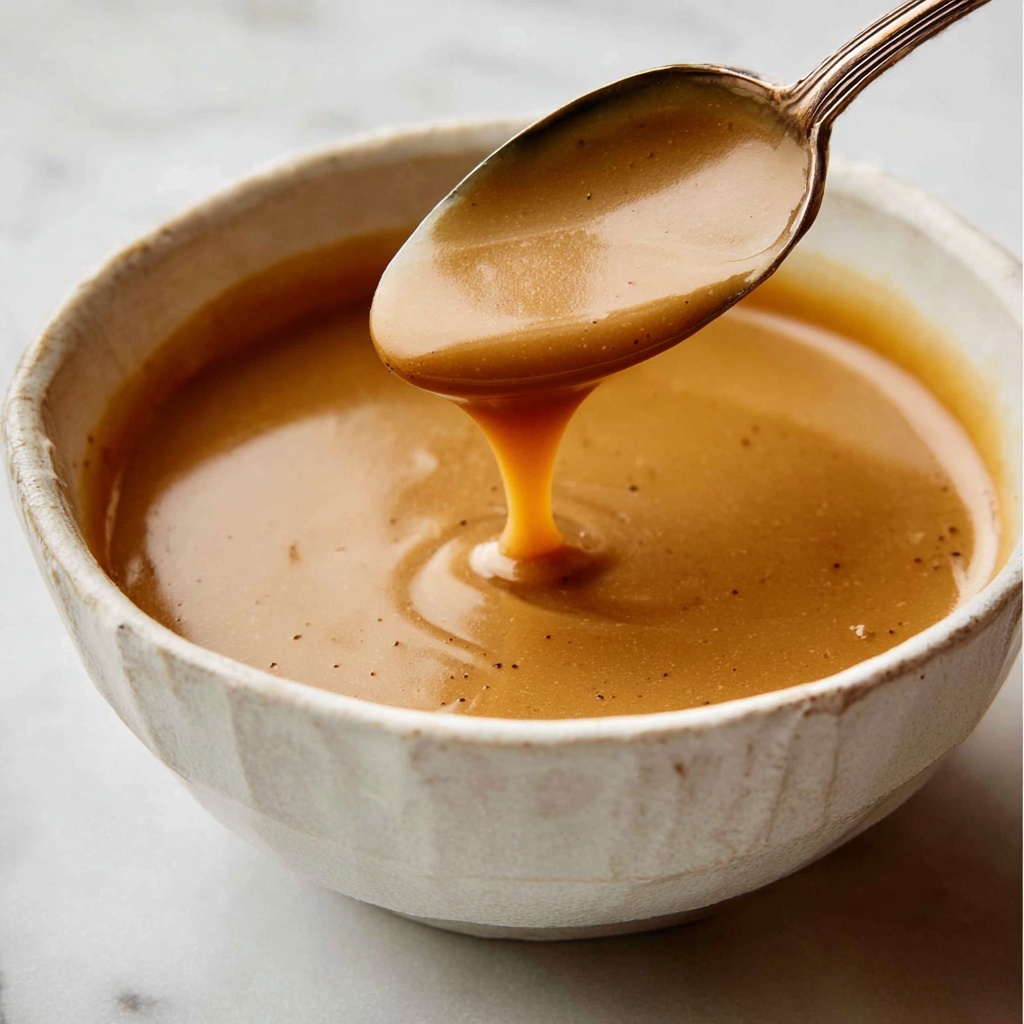
If you are on the hunt for a sauce that brings a rich, velvety, and deeply flavorful touch to your dishes, this Vermouth Jus Recipe is an absolute must-try. Its luxurious texture and perfectly balanced notes of sweet eschallot, robust beef stock, and the intriguing depth from dry vermouth make it an extraordinary partner for meats and hearty plates. Whether you’re cooking up a festive dinner or just want to elevate your everyday meal, this Vermouth Jus Recipe is there to add that wow-factor with elegance and simplicity.
Ingredients You’ll Need
Each ingredient in this Vermouth Jus Recipe plays a vital role, creating layers of flavor that come together beautifully. The combination is straightforward, emphasizing fresh, quality components that meld to produce an irresistible sauce.
- Unsalted butter: 2 tbsp/30g for a silky base that gently sweats the eschallots without overpowering.
- Eschallot (thinly sliced): 1, adds a subtle sweetness and delicate onion flavor essential to the jus.
- Dry vermouth: 3 tbsp, brings aromatic complexity and a slight herbal note that lifts the sauce.
- Homemade beef stock: 2 cups, the heart and soul of the jus providing richness and depth no store-bought version can match.
- Cream: 2 tbsp, rounds out the sauce, giving it a smooth, luscious mouthfeel with a hint of indulgence.
- Salt (kosher or cooking): 1/8 tsp, seasons and balances the flavors perfectly.
- Black pepper (finely ground): 1/8 tsp, adds just the right touch of warmth and spice.
How to Make Vermouth Jus Recipe
Step 1: Sauté the Eschallots
Start by melting the unsalted butter in a skillet over medium-low heat. Add the thinly sliced eschallots and gently cook them for 4 to 5 minutes. The goal here is to soften these delicate onions until they become sweet and translucent, but without letting them brown. This slow, gentle cooking is where the sauce begins to develop its subtle sweetness and complexity.
Step 2: Add the Vermouth
Next, pour in the dry vermouth and crank the heat up to medium-high. Let the vermouth simmer while you scrape the base of the pan to dissolve any caramelized bits, known as fond, into the sauce. This step is crucial because it intensifies the flavor and ensures none of that deliciousness goes to waste. Keep cooking until nearly all of the vermouth evaporates – this also cooks out the alcohol, leaving behind a beautifully concentrated taste.
Step 3: Simmer the Beef Stock
Now, add your homemade beef stock and bring it to a simmer. Let it cook down for 6 to 7 minutes until it has reduced by about three-quarters. This reduction thickens the sauce and intensifies the beefy goodness, creating a base full of complexity and richness.
Step 4: Incorporate the Cream
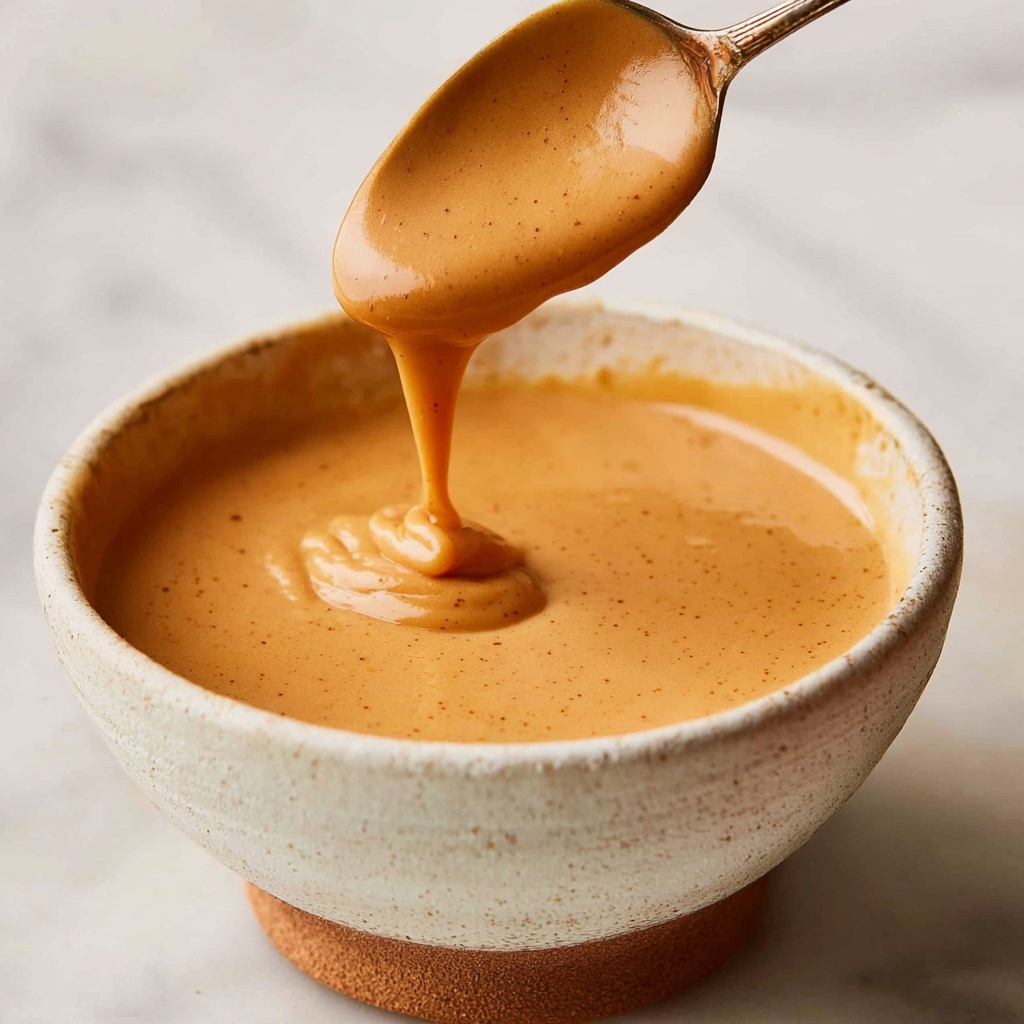
Stir in the cream and allow the mixture to simmer for another 4 minutes. As the jus simmers, the color will change from a pale cream to a beautiful medium brown, signaling that it’s thickening and emulsifying perfectly. This step adds a luxurious smoothness that beautifully balances the savory and slightly sweet elements.
Step 5: Season and Taste
Season your sauce with salt and finely ground black pepper. Taste carefully and if the sauce feels a bit thin or lacks punch, continue reducing it gently until you achieve the depth and consistency you desire. Remember that the jus should be intensely flavored and well-balanced to complement, rather than overwhelm, your dish.
Step 6: Strain for Silky Smoothness
Strain the sauce through a fine mesh sieve into a bowl to remove the softened eschallot pieces, leaving you with a glossy, smooth jus. If you find you have more than about 100ml (3.5 oz) after straining, return it to the pan and simmer on low. Using a rubber spatula helps get every last drop of flavor without waste.
Step 7: Serve
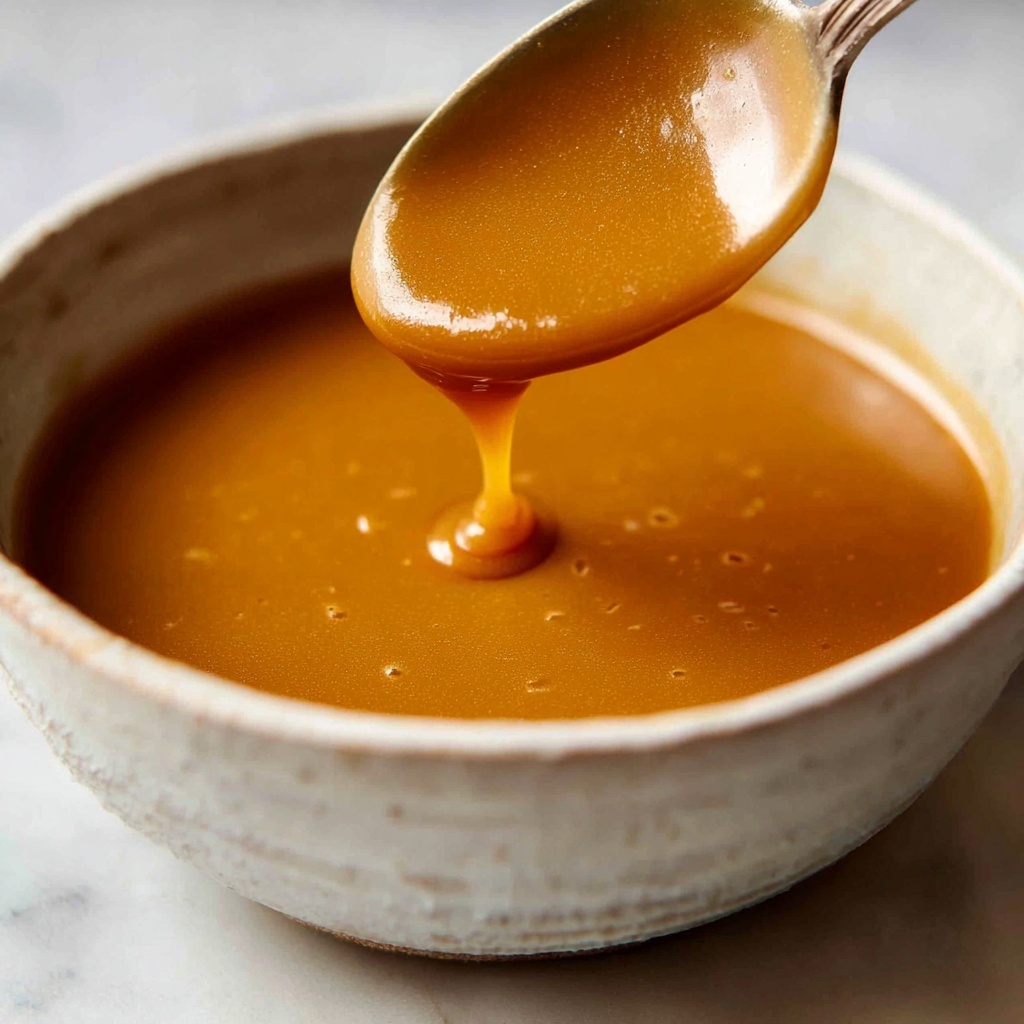
This vermouth jus is intensely flavored, so reserve about 1.5 to 2 tablespoons per serving. Restaurants typically serve it drizzled over meat rather than as a separate side, which allows the sauce to meld perfectly with each bite.
How to Serve Vermouth Jus Recipe
Garnishes
When serving your vermouth jus, simplicity is your best friend. A few fresh herbs like thyme or parsley can add a touch of color and freshness that contrasts beautifully with the rich jus. You might also consider a small sprinkle of freshly cracked black pepper to enhance aroma and presentation.
Side Dishes
This sauce pairs wonderfully with roasted or pan-seared meats, especially beef, pork, or lamb. Complement your main with creamy mashed potatoes, roasted root vegetables, or a crisp green salad. The jus acts as a flavorful bridge, tying together all the elements on your plate with finesse and flair.
Creative Ways to Present
For a restaurant-worthy touch, drizzle the vermouth jus around your protein in an artful swirl or thin ribbons. You can also dot small pools around roasted vegetables or even brush it lightly onto grilled meats before serving. The key is to let this luxurious sauce shine without overpowering your beautifully cooked protein.
Make Ahead and Storage
Storing Leftovers
If you have any vermouth jus left over, store it in an airtight container in the refrigerator. It will stay fresh for up to 3 days. Before sealing, make sure the sauce has cooled completely to preserve its flavor and texture.
Freezing
The jus freezes well in small portions, ideally in ice cube trays for easy use later. Once frozen, transfer the cubes to a freezer bag and keep for up to 2 months. Thaw gently in the fridge overnight before reheating.
Reheating
Reheat the vermouth jus gently over low heat, stirring occasionally. Avoid boiling as this can break the sauce and alter the texture. If the sauce has thickened too much during storage, add a splash of beef stock or cream to bring it back to the perfect consistency.
FAQs
Can I use store-bought beef stock for this recipe?
For the best flavor in your Vermouth Jus Recipe, homemade beef stock is strongly recommended. It provides a richer, more authentic taste compared to store-bought versions, which can be less flavorful or contain additives that affect the final sauce.
Is it necessary to use dry vermouth?
Dry vermouth is essential here because it adds a unique aromatic complexity and subtle herbal notes. Using a sweeter vermouth or another fortified wine will change the flavor profile considerably and may overwhelm the balance you want in this jus.
How long can I keep vermouth jus in the fridge?
Stored properly in an airtight container, the vermouth jus will remain fresh and delicious for up to three days in the refrigerator. Always check for any off smells before using leftovers.
Can I make this sauce ahead of time for a dinner party?
Absolutely! One of the great things about this Vermouth Jus Recipe is how well it keeps. Make it ahead, refrigerate or freeze, and gently reheat just before serving. This lets you spend more time with your guests and less in the kitchen.
What dishes pair best with vermouth jus?
This sauce shines alongside richly flavored proteins like roast beef, lamb, pork belly, or even venison. It also enhances roasted vegetables and creamy mashed potatoes, making it incredibly versatile at the dining table.
Final Thoughts
This Vermouth Jus Recipe has quickly become one of my favorite ways to elevate a meal with minimal fuss but maximum flavor. Its luxurious texture and balanced taste make every bite feel special, and it’s surprisingly easy to whip up. I wholeheartedly encourage you to give it a try – your taste buds will thank you!
Print
Vermouth Jus Recipe
- Prep Time: 5 minutes
- Cook Time: 20 minutes
- Total Time: 25 minutes
- Yield: 4 to 5 servings
- Category: Sauce
- Method: Stovetop
- Cuisine: French
Description
This Vermouth Jus recipe delivers a rich, deeply flavored sauce perfect for elevating your favorite roasted or pan-seared meats. Combining the subtle sweetness of eschallots sautéed in butter with the aromatic complexity of dry vermouth, this jus is simmered down with homemade beef stock and enriched with cream to create a luscious, velvety texture. Ideal as a finishing drizzle, it enhances dishes with a balanced blend of sweetness, acidity, and savory notes.
Ingredients
Base
- 2 tbsp / 30g unsalted butter
- 1 eschallot, thinly sliced (aka French onion; US: shallot)
Liquids and Seasonings
- 3 tbsp dry vermouth
- 2 cups homemade beef stock (no store-bought)
- 2 tbsp cream
- 1/8 tsp kosher or cooking salt
- 1/8 tsp finely ground black pepper
Instructions
- Sauté Eshallots: Melt the unsalted butter in a skillet over medium-low heat. Add the thinly sliced eschallot and cook gently for 4 to 5 minutes until softened and sweet, being careful not to let them brown or color.
- Add Vermouth and Reduce: Pour in the dry vermouth and increase the heat to medium-high. Let it simmer while scraping the base of the pan to dissolve any caramelized bits (fond) into the liquid. Continue simmering until the vermouth has nearly evaporated, ensuring that the alcohol cooks off.
- Simmer with Beef Stock: Add the homemade beef stock and allow the mixture to simmer for 6 to 7 minutes until it reduces by approximately three-quarters, thickening and concentrating the flavors.
- Incorporate Cream: Stir in the cream and continue simmering for about 4 more minutes until the sauce changes from a pale cream to a medium brown color, developing a rich and creamy consistency.
- Season and Adjust: Add salt and freshly ground black pepper to taste. If the jus seems too thin, continue to reduce it to intensify the flavor and thicken the texture.
- Strain the Jus: Pass the sauce through a fine mesh strainer into a bowl to remove solids, pressing with a rubber spatula to extract all the flavorful liquid. If more than 100 ml (3.5 oz) remains, return it to the pan and simmer gently to reduce further.
- Serve: This intensely flavored jus is best used sparingly—about 1.5 to 2 tablespoons per serving. It is commonly poured over roasted or pan-seared meat slices at the table rather than served as a separate condiment.
- Presentation Tips: Drizzle the jus around or on top of your protein using a spoon for a professional touch. It pairs beautifully with meats like crispy pork belly or roasted beef.
Notes
- Use homemade beef stock to ensure a rich, natural flavor base; store-bought stock lacks the necessary depth for this jus.
- Dry vermouth is essential for the characteristic aromatic profile and to avoid excessive sweetness.
- Maintain medium-low heat when cooking the eschallots to prevent browning, as color changes the flavor profile undesirably.
- The alcohol in the vermouth will fully cook off during simmering, leaving only flavor.
- Adjust seasoning at the end to balance saltiness, considering the beef stock’s salt content.
- Straining the sauce ensures a silky smooth texture, ideal for fine dining presentation.