
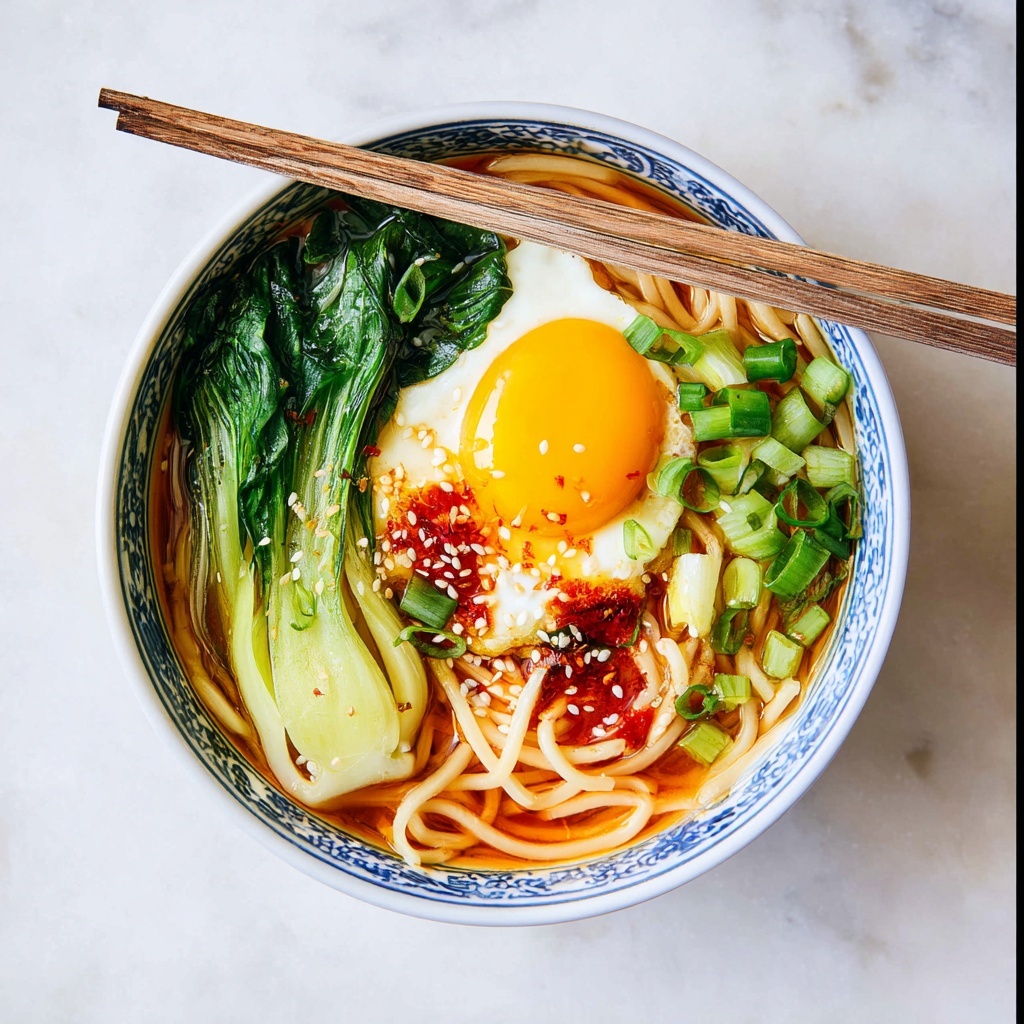
If you’re craving a warm, comforting bowl that’s packed with flavor and nourished by fresh greens, this Miso Ramen with Bok Choy Recipe is about to become your new go-to. It beautifully balances the deep, savory notes of red miso with the subtle crunch of tender bok choy, all tied together with silky noodles and a perfectly cooked egg. Each spoonful offers a cozy hug in a bowl that’s both simple to prepare and impressively satisfying.
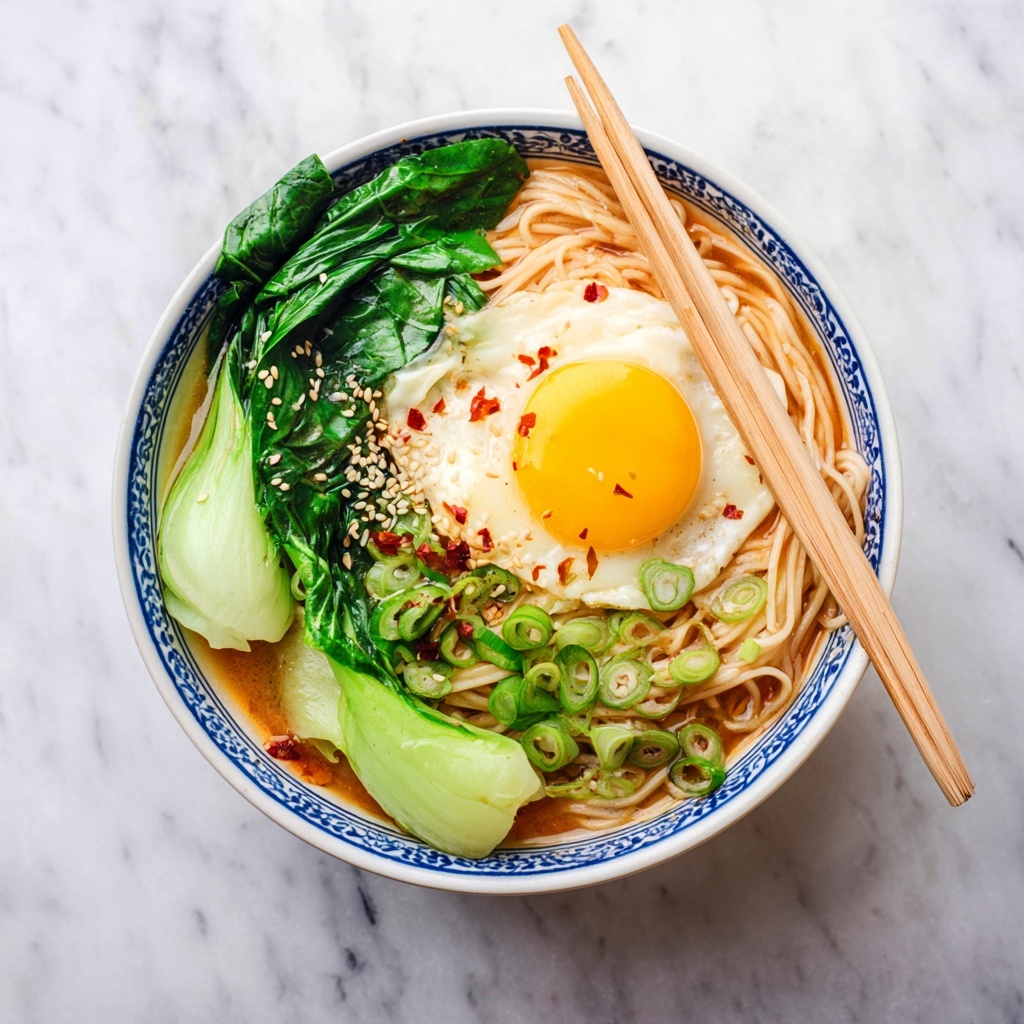
Ingredients You’ll Need
Gathering the right ingredients is key to creating a delicious Miso Ramen with Bok Choy Recipe. Each component plays an important role—from the earthiness of red miso to the fresh bite of baby bok choy and the richness of the egg, everything works together harmoniously.
- 3 cups water: The base for your broth, providing the perfect medium for all flavors to mingle.
- 2 ounces organic ramen noodles: Opt for quality noodles that hold texture well without turning mushy.
- 2 tablespoons red miso: This gives the broth its distinctive, savory depth that defines the dish.
- 1 teaspoon sesame oil: Adds a toasty aroma and subtle richness to the soup.
- Pinch of salt and pepper: Simple seasoning to enhance and balance the flavors.
- 1 free-range egg: A silky, soft-cooked egg adds protein and a luscious texture.
- 1 head of baby bok choy, trimmed: Offers a fresh, slightly crunchy bite with a mild, leafy flavor.
- 1 spring onion, finely chopped: Adds a bright, oniony freshness as a garnish.
- 1 teaspoon chili oil: A little heat that livens up each bite without overpowering.
- 1 teaspoon sesame seeds: Provides a subtle nutty crunch as a finishing touch.
How to Make Miso Ramen with Bok Choy Recipe
Step 1: Boil the Water
Start by adding 3 cups of water to a medium saucepan and bring it to a vigorous boil over high heat. This ensures the noodles cook evenly and your broth stays fresh.
Step 2: Cook the Ramen Noodles
Once the water is boiling, add your ramen noodles and cook according to the package directions—usually just a few minutes until tender but springy. This step delivers the perfect noodle texture that anchors the whole dish.
Step 3: Prepare the Miso Mixture
Before the noodles finish cooking, scoop out 3 tablespoons of the hot cooking water and transfer it to a small bowl. Stir in the red miso paste until it dissolves completely, creating a smooth, flavorful seasoning base for your soup.
Step 4: Combine Ingredients and Poach the Egg
About a minute before the noodles are done, stir in your miso mixture along with the sesame oil, salt, pepper, and the trimmed baby bok choy. Then gently push your noodles aside to create a little nest. Crack the egg into this nook and ladle some of the boiling broth over the top to gently poach it right in the pot, adding creaminess to the final bowl.
Step 5: Transfer to Bowl
When everything is perfectly cooked—the noodles tender, bok choy bright and crisp, and egg just set—carefully ladle the mixture into a serving bowl, making sure to keep that beautiful poached egg intact.
Step 6: Add the Finishing Touches
Top your steaming ramen with finely chopped spring onions, a drizzle of chili oil, and a sprinkle of sesame seeds. These final touches elevate the flavor and add vibrant color that invites you to dive in.
How to Serve Miso Ramen with Bok Choy Recipe
Garnishes
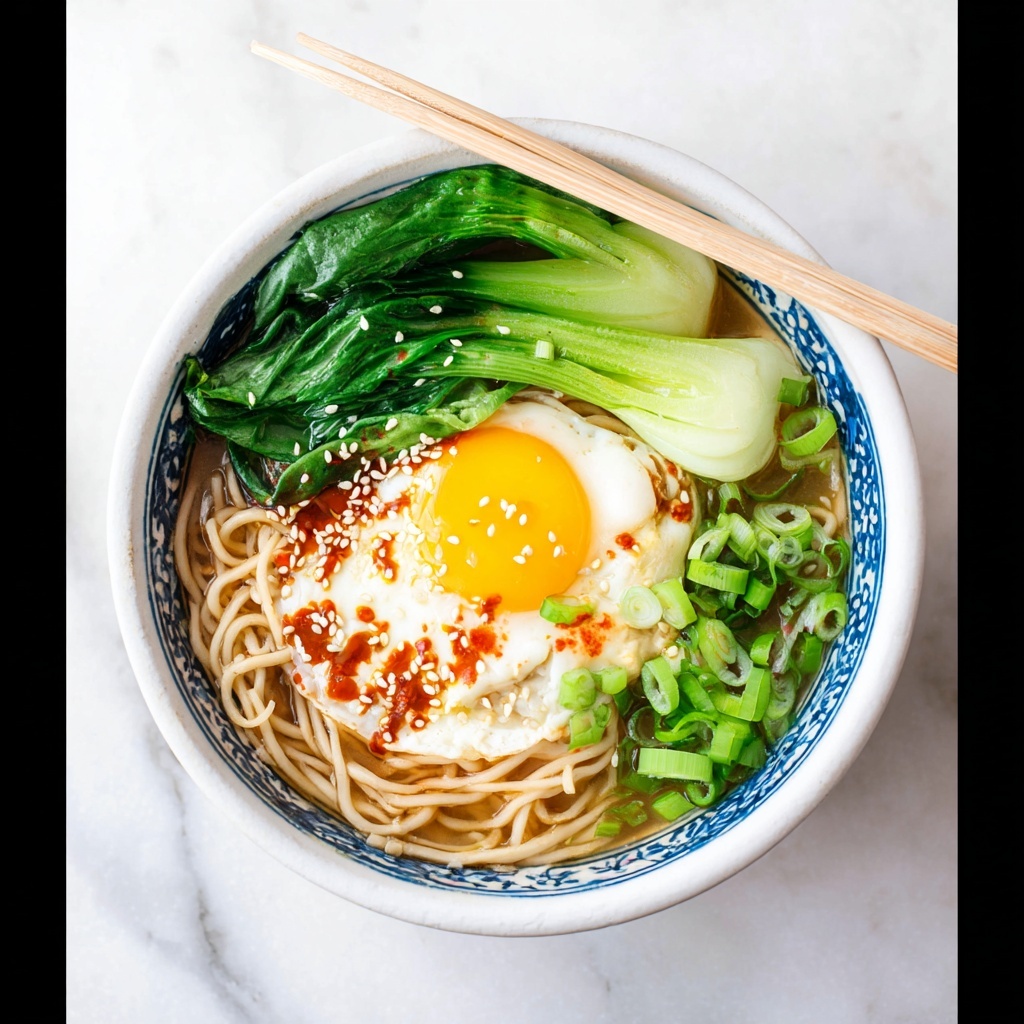
Fresh garnishes make every bite more exciting. The spring onions add a crisp freshness, the chili oil brings just the right hint of heat, and sesame seeds contribute tiny bursts of nuttiness. You might also try a few slices of pickled ginger or a dash of toasted seaweed for an extra umami punch.
Side Dishes
This ramen shines on its own but pairs wonderfully with light sides like cucumber salad, steamed edamame, or crispy gyoza. These help to round out the meal without overshadowing the star—your rich, flavorful bowl of miso ramen.
Creative Ways to Present
For an extra special touch, serve your Miso Ramen with Bok Choy Recipe in a deep ceramic bowl with a matching spoon. Arrange the bok choy and egg on top to showcase the colors and textures. Adding a sprinkle of finely chopped herbs like cilantro or chives can also bring vibrant freshness to your presentation.
Make Ahead and Storage
Storing Leftovers
If you have leftovers, store the broth, noodles, and bok choy in an airtight container in the refrigerator. Keep the egg separate if possible to avoid it becoming rubbery. The flavors tend to deepen overnight, making it just as delicious the next day.
Freezing
Freezing this dish is not recommended because the noodles and bok choy may lose their texture and become mushy upon thawing. For best results, prepare fresh servings or freeze just the broth alone if needed.
Reheating
When reheating, warm the broth gently on the stove and separately heat or cook fresh noodles and bok choy to maintain their best texture. Add in the components and fresh egg or soft-boiled egg to keep the meal tasting like it’s just been made.
FAQs
Can I use white miso instead of red miso?
Absolutely! White miso has a milder, sweeter flavor which will give your ramen a gentler taste, but red miso provides a deeper umami richness that really defines this recipe.
Is it possible to make this recipe vegan?
Yes, you can omit the egg or replace it with tofu cubes for added protein. Just make sure to use a vegan ramen noodle and double-check the miso paste ingredients.
Can I prepare this dish in advance?
You can prepare the broth and miso mixture ahead of time, but for the freshest experience, cook the noodles, bok choy, and egg just before serving.
What’s the best way to cook the egg?
Poaching the egg directly in the simmering broth, as described, gives a delicate, soft texture that blends beautifully with the soup.
Can I add other vegetables to this ramen?
Definitely! Sliced mushrooms, corn, or grated carrot all make wonderful additions. Just add them during the final cooking step so they stay crisp and vibrant.
Final Thoughts
There’s something truly special about a bowl of hot, homemade ramen that comforts the soul and delights the senses. This Miso Ramen with Bok Choy Recipe is an easy and rewarding way to bring that magic into your kitchen. I encourage you to dive in, experiment with the garnishes and sides, and most importantly, enjoy every slurp of this nourishing, flavorful dish.
Print
Miso Ramen with Bok Choy Recipe
- Prep Time: 10 minutes
- Cook Time: 5 minutes
- Total Time: 15 minutes
- Yield: 1 serving
- Category: Soup
- Method: Stovetop
- Cuisine: Japanese
- Diet: Halal
Description
A comforting and flavorful Miso Ramen recipe featuring tender organic ramen noodles, vibrant baby bok choy, and a perfectly poached free-range egg, all infused with red miso and sesame oil. This quick and easy Japanese-inspired dish is perfect for a warming meal in just 15 minutes.
Ingredients
Broth and Noodles
- 3 cups water
- 2 ounces organic ramen noodles
- 2 tablespoons red miso
- 1 teaspoon sesame oil
- pinch of salt and pepper
Toppings and Garnishes
- 1 free-range egg
- 1 head of baby bok choy, trimmed
- 1 spring onion, finely chopped
- 1 teaspoon chili oil
- 1 teaspoon sesame seeds
Instructions
- Boil Water: Add the water to a medium saucepan and bring it to a boil over high heat, preparing the base for your ramen broth.
- Cook Noodles: Add the organic ramen noodles to the boiling water and cook according to the package directions, usually about 3-5 minutes until tender but still chewy.
- Prepare Miso Mixture: Take 3 tablespoons of the boiling water from the pot and transfer it to a small bowl. Stir in the red miso paste vigorously until it is fully dissolved and smooth, creating a flavorful seasoning for the broth.
- Add Flavor and Bok Choy: About one minute before the noodles finish cooking, stir the miso mixture, sesame oil, salt, and pepper into the pot. Then add the trimmed baby bok choy. Stir gently to combine all ingredients. Create a small indentation in the noodles with a spoon and carefully crack the egg into it. Use the spoon to ladle hot water over the egg, helping it to cook more quickly and gently.
- Serve: Once the egg is cooked to your liking and the noodles and vegetables are tender, carefully ladle the ramen with the egg into a serving bowl, ensuring the broth is well distributed.
- Add Final Toppings: Sprinkle the finely chopped spring onion, drizzle the chili oil, and sprinkle the sesame seeds over the top to add flavor, texture, and visual appeal. Serve immediately while hot.
Notes
- Use organic or fresh ramen noodles for best texture and health benefits.
- Adjust the amount of chili oil according to your spice preference.
- For a vegetarian version, omit the egg or replace with tofu.
- Be careful when cooking the egg in the hot broth to avoid breaking the yolk.
- You can use white or yellow miso if red miso is unavailable, but the flavor will vary slightly.
- Adding a little more water can dilute the broth if it becomes too salty or concentrated.