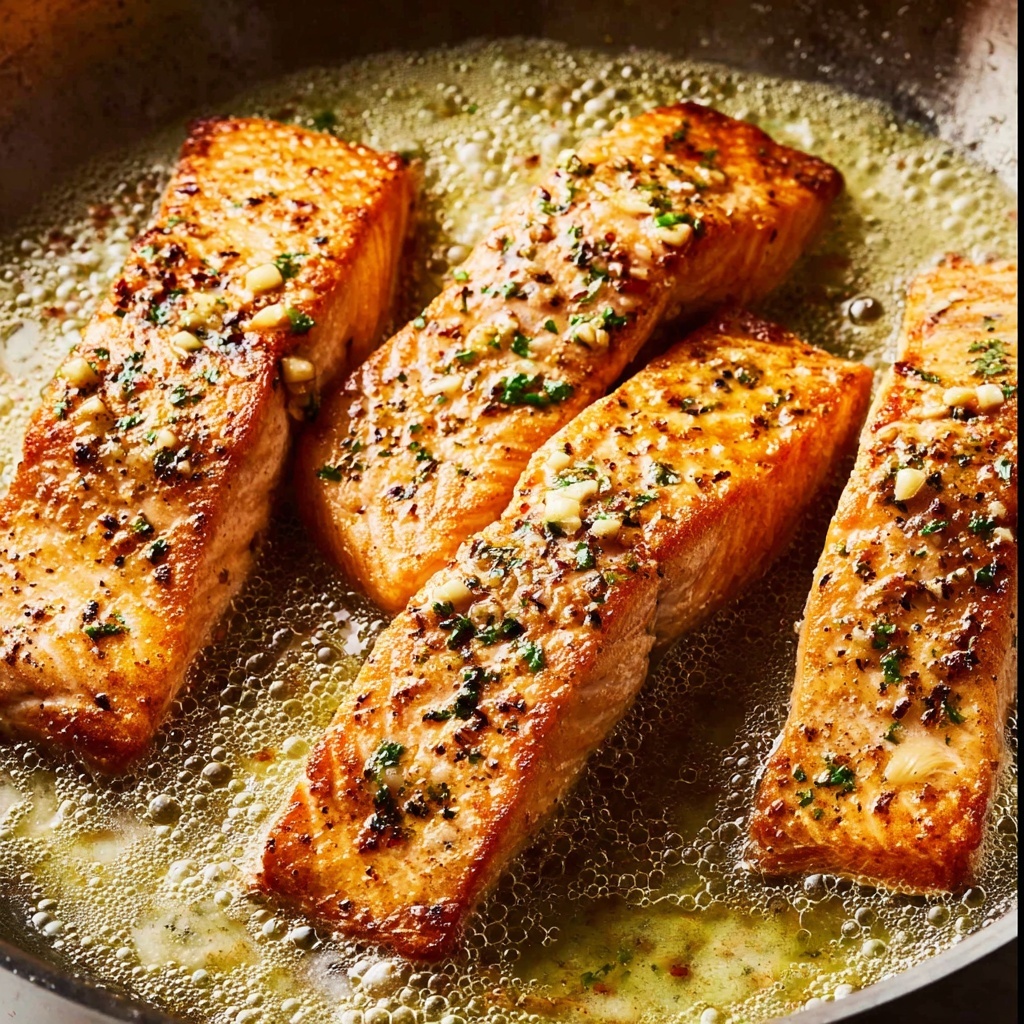
If you have been searching for a simple yet absolutely delicious way to elevate your dinner routine, this Garlic Butter Salmon Recipe is going to become your new best friend in the kitchen. Tender, flaky salmon fillets are perfectly seared and then bathed in a luxurious garlic butter sauce that brings out the natural richness of the fish while adding layers of mouthwatering flavor. Whether you need a quick weeknight meal or something impressive for guests, this recipe delivers unforgettable taste without any fuss. You’ll love how the garlic butter melds with the salmon, creating a juicy, aromatic dish that’s as beautiful on the plate as it is satisfying on the palate.
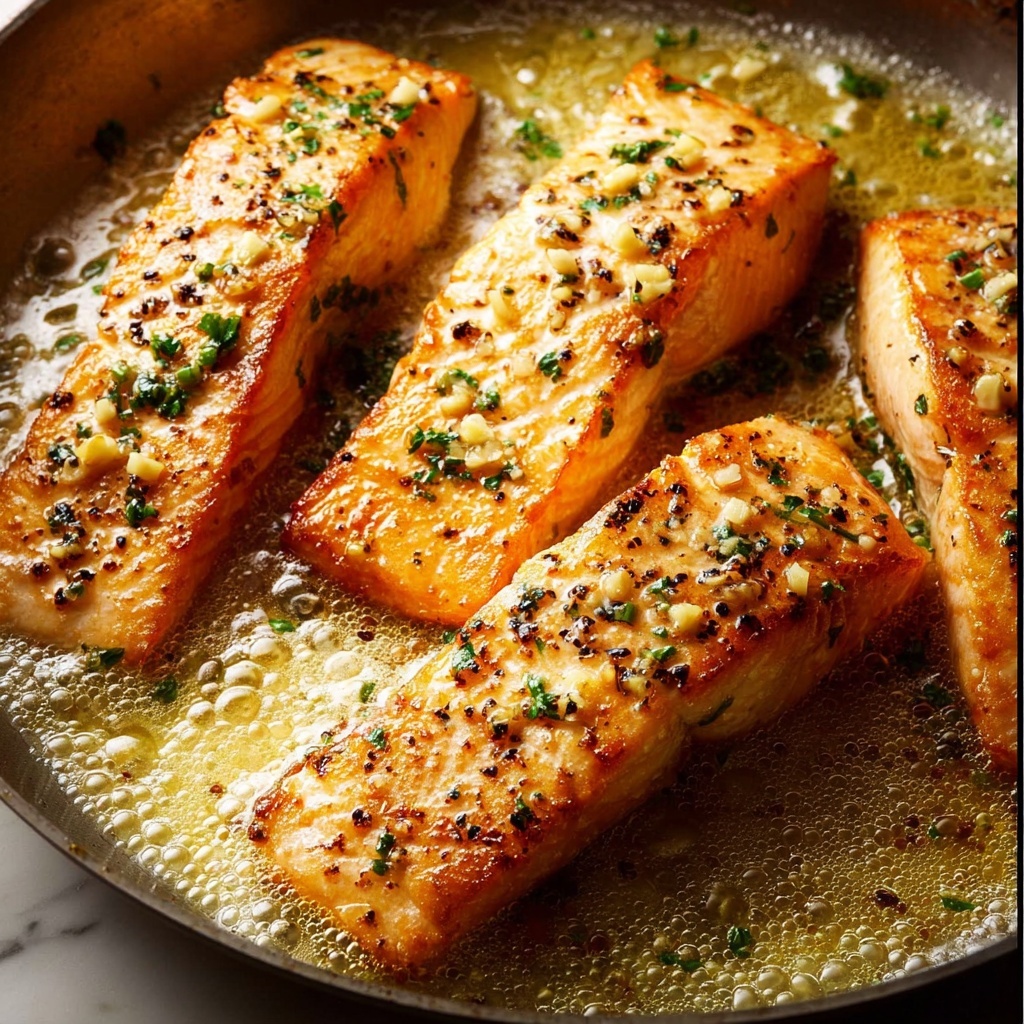
Ingredients You’ll Need
This recipe calls for straightforward, pantry-friendly ingredients that complement each other beautifully. Each plays an essential role in building flavor, texture, and that classic golden finish that makes garlic butter salmon so irresistible.
- Salmon fillets (4, skinless and boneless): Opt for fresh or thawed salmon to ensure tender, flaky results.
- Salt (1/2 tsp): Enhances the natural taste of the fish while seasoning evenly.
- Black pepper (1/4 tsp): Adds a subtle hint of spice and depth.
- Olive oil (1 1/2 tbsp): Used to create a perfect sear, delivering crisp edges.
- Garlic (1 tbsp, finely minced by hand): Hand-mincing garlic avoids bitterness and releases fresh, aromatic oils.
- Salted butter (6 tbsp, cut into cubes): Creates the rich, velvety garlic butter sauce that makes this dish special.
- Lemon juice (1 tsp plus more to taste): Brightens the sauce with fresh acidity, balancing richness.
- Fresh parsley (2 tsp, finely chopped): Adds a pop of color and a fresh herbaceous note.
How to Make Garlic Butter Salmon Recipe
Step 1: Season the Salmon
Before you dive into cooking, it’s important to let the salmon sit out of the fridge for about 30 minutes. This helps it cook evenly. Sprinkle salt and black pepper evenly on both sides to enhance flavor and draw out a subtle crust when searing.
Step 2: Sear Salmon for a Golden Crust
Heat olive oil in a large nonstick skillet over medium-high heat. Place the salmon presentation-side down—usually the curved side—into the pan. Let it cook undisturbed for 3 minutes until you see a beautiful golden crust forming. This step locks in moisture for juicy flakes.
Step 3: Flip and Begin Butter Addition
Carefully flip the salmon and cook the other side for 1 minute. This short second sear keeps the fish tender but flavorful. After this minute, add the cubed butter to the pan, getting ready to elevate the taste in the next step.
Step 4: Baste with Garlic Butter
Once the butter melts and starts to foam, add the minced garlic. Immediately tilt the pan so the butter pools, and use a large spoon to baste the salmon continuously for about 1 1/2 minutes. This technique infuses the salmon with buttery garlic richness and ensures every bite is packed with luscious flavor.
Step 5: Check Temperature and Rest
Check the salmon’s internal temperature with a reliable thermometer. Ideally, aim for 50°C/122°F for medium-rare, the sweet spot for the most juicy, tender texture. Remove from heat and let it rest for 3 minutes—the temperature will rise slightly, giving perfect doneness of 53°C/127°F.
Step 6: Finish Garlic Butter with Lemon
With the pan off the heat but still on the stove (unlit), add lemon juice to the garlic butter. The citrus adds a fresh zing that cuts through the richness and brightens up the entire dish.
Step 7: Serve Your Garlic Butter Salmon Recipe
Transfer salmon fillets to serving plates and generously spoon the garlic butter sauce over them. Don’t forget to sprinkle fresh parsley on top for a burst of color and complementary herbal freshness. This recipe pairs wonderfully with simple, light sides like cauliflower mash or leafy greens tossed in a French vinaigrette.
How to Serve Garlic Butter Salmon Recipe
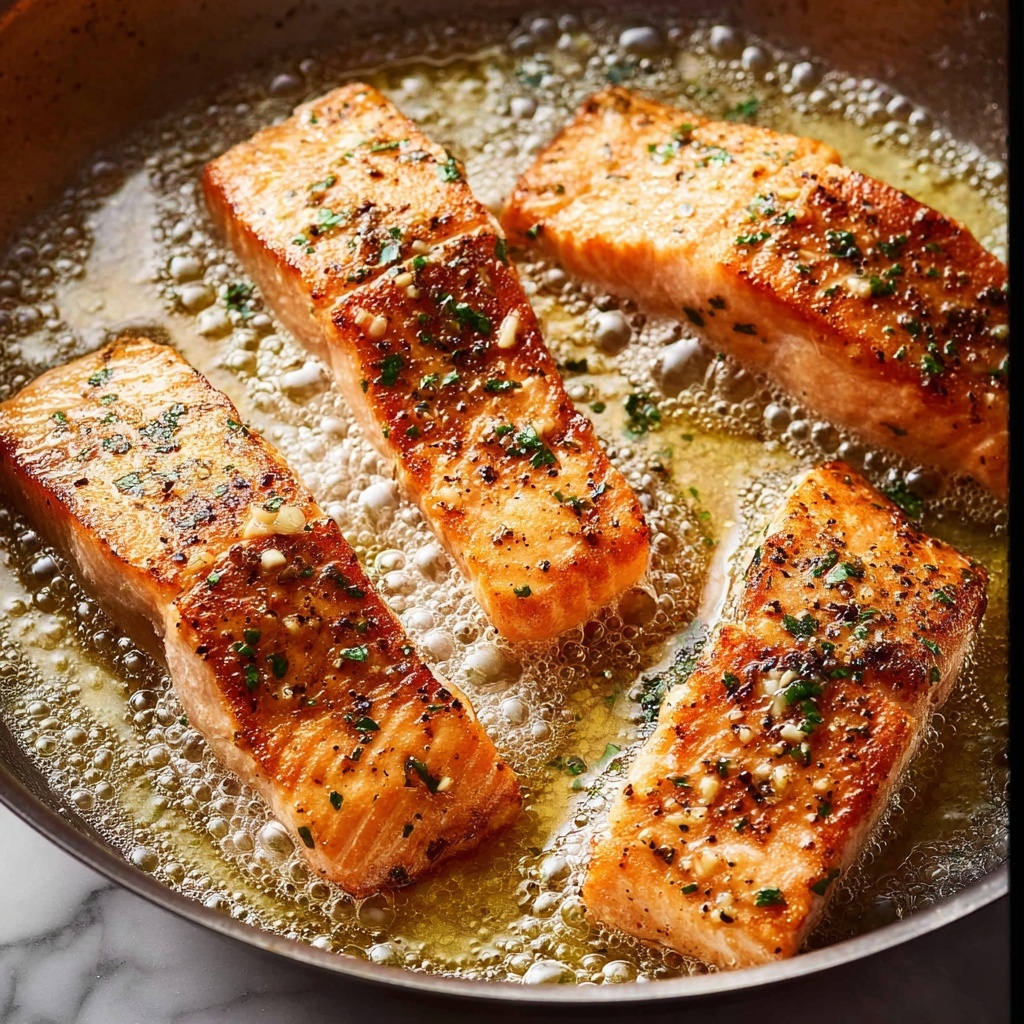
Garnishes
Fresh parsley is the classic choice for garnish, offering a lovely green contrast and fresh herb flavor. For an extra touch, try adding thin lemon slices or a sprinkle of red pepper flakes if you like a little heat.
Side Dishes
This garlic butter salmon shines when accompanied by simple sides that won’t compete with its rich flavor. Creamy cauliflower mash, sautéed spinach, or a crisp mixed salad with French vinaigrette complement the dish perfectly. Steamed asparagus or herb-roasted potatoes are also fantastic options to round out the plate.
Creative Ways to Present
Serving the salmon over a bed of garlic-infused quinoa or fragrant jasmine rice can make the meal feel more special. Alternatively, plating with colorful roasted vegetables or layering with a dollop of homemade lemon-herb yogurt sauce beautifully elevates the presentation and taste.
Make Ahead and Storage
Storing Leftovers
If you have any leftovers of this Garlic Butter Salmon Recipe, store them in an airtight container in the fridge. They will keep well for up to 2 days without losing much flavor or texture, making for a quick, tasty meal the next day.
Freezing
While salmon is best enjoyed fresh, you can freeze cooked salmon if needed. Place fillets in an airtight container or wrap tightly in foil and plastic wrap. Frozen salmon should be used within 1 month for optimal taste and texture.
Reheating
To reheat, gently warm the salmon in a skillet over low heat, spooning reserved garlic butter over the top to keep it moist. Avoid microwaving directly to preserve the delicate texture and prevent drying out.
FAQs
Can I use salmon with skin on for this recipe?
Absolutely! If you prefer skin-on salmon, just make sure to crisp the skin thoroughly on the presentation side first. It adds extra texture and flavor, but the cooking method remains the same.
Is it necessary to mince garlic by hand?
Yes, mincing garlic by hand helps release the oils gently, preventing bitterness and preserving the subtle sweetness that complements the butter and salmon perfectly.
Can I substitute butter with olive oil?
While you can use olive oil, butter gives the sauce its signature creaminess and richness that balances the garlic and lemon. For the best results, stick with butter or try a mix of both.
What’s the best internal temperature for salmon doneness?
Medium-rare is around 50°C/122°F for the most tender, juicy results. Letting the fish rest will bring it up to about 53°C/127°F, which is ideal for that melt-in-your-mouth texture.
How should I adjust cooking times for thicker or thinner salmon fillets?
Thicker fillets may need an extra minute or two; just be careful not to overcook. Thinner fillets will cook faster, so reduce searing times accordingly and watch closely during basting.
Final Thoughts
There’s something truly magical about this Garlic Butter Salmon Recipe that keeps me coming back to it week after week. It’s straightforward, quick, and packed with flavors that feel indulgent but never complicated. I hope you’ll give it a try soon and discover how a few simple ingredients can create a dish that feels both special and effortlessly satisfying. From my kitchen to yours, happy cooking and even happier eating!
Print
Garlic Butter Salmon Recipe
- Prep Time: 5 minutes
- Cook Time: 8 minutes
- Total Time: 13 minutes
- Yield: 4 servings
- Category: Main Dish
- Method: Stovetop
- Cuisine: American
Description
This Garlic Butter Salmon recipe offers a quick and flavorful way to prepare tender, juicy salmon fillets topped with a rich garlic-infused butter sauce. Perfect for a weeknight meal, the salmon is seared to golden perfection on the stovetop and basted with melted butter and garlic for an indulgent finish, then enhanced with fresh lemon juice and parsley for brightness.
Ingredients
Salmon
- 4 salmon fillets (180g / 6oz each), skinless and boneless
- 1/2 tsp cooking or kosher salt
- 1/4 tsp black pepper
- 1 1/2 tbsp olive oil
Garlic Butter Sauce
- 1 tbsp garlic (~2 cloves), finely minced by hand (do not use a garlic press)
- 90g / 6 tbsp salted butter, cut into cubes (or unsalted butter plus 1/4 tsp salt)
- 1 tsp lemon juice, plus more to taste
- 2 tsp parsley, finely chopped
Instructions
- Season salmon: Remove salmon from the fridge 30 minutes before cooking to come to room temperature. Sprinkle both sides of each fillet evenly with salt and black pepper to season.
- Sear salmon 3 mins: Heat olive oil in a large non-stick skillet over medium-high heat. Place the salmon fillets presentation side (curved side) down in the skillet. Cook undisturbed for 3 minutes until the side is golden and nicely seared.
- Turn, cook 1 min, then add butter: Flip the salmon fillets and cook the other side for 1 minute. Then add the cubed butter to the skillet.
- Baste 1 1/2 minutes: Once the butter melts and begins to foam, immediately add the minced garlic. Continuously spoon the bubbling garlic butter over the salmon by tilting the pan so the butter pools on one side and using a large spoon. Continue basting for 1 1/2 minutes to infuse flavor and keep the salmon moist.
- Remove salmon from stove: Check the internal temperature of the salmon; it should reach 50°C (122°F) for medium-rare, which delivers optimum juiciness. Remove the salmon fillets to a plate and let them rest for 3 minutes. The temperature will rise to about 53°C (127°F) during resting.
- Add lemon juice to butter: Return the skillet (off heat) to the stove to keep the butter warm. Stir in 1 teaspoon of fresh lemon juice into the butter sauce.
- Serve: Plate the salmon fillets and spoon the warm garlic lemon butter sauce over each portion, being careful not to overdo the rich butter. Garnish with a sprinkle of finely chopped fresh parsley. This dish pairs beautifully with cauliflower mash and fresh leafy greens dressed with French vinaigrette.
Notes
- Allowing the salmon to come to room temperature before cooking ensures even cooking and better searing.
- For medium-rare salmon, aim for an internal temperature of 50°C (122°F) before resting; it will finish cooking during resting time.
- Do not use a garlic press to mince the garlic; finely mince by hand for best texture and flavor.
- This recipe uses skinless, boneless salmon fillets, but you can use skin-on if preferred; adjust cooking times accordingly.
- Use salted butter for ease, but if using unsalted butter, add an extra 1/4 tsp salt to compensate.