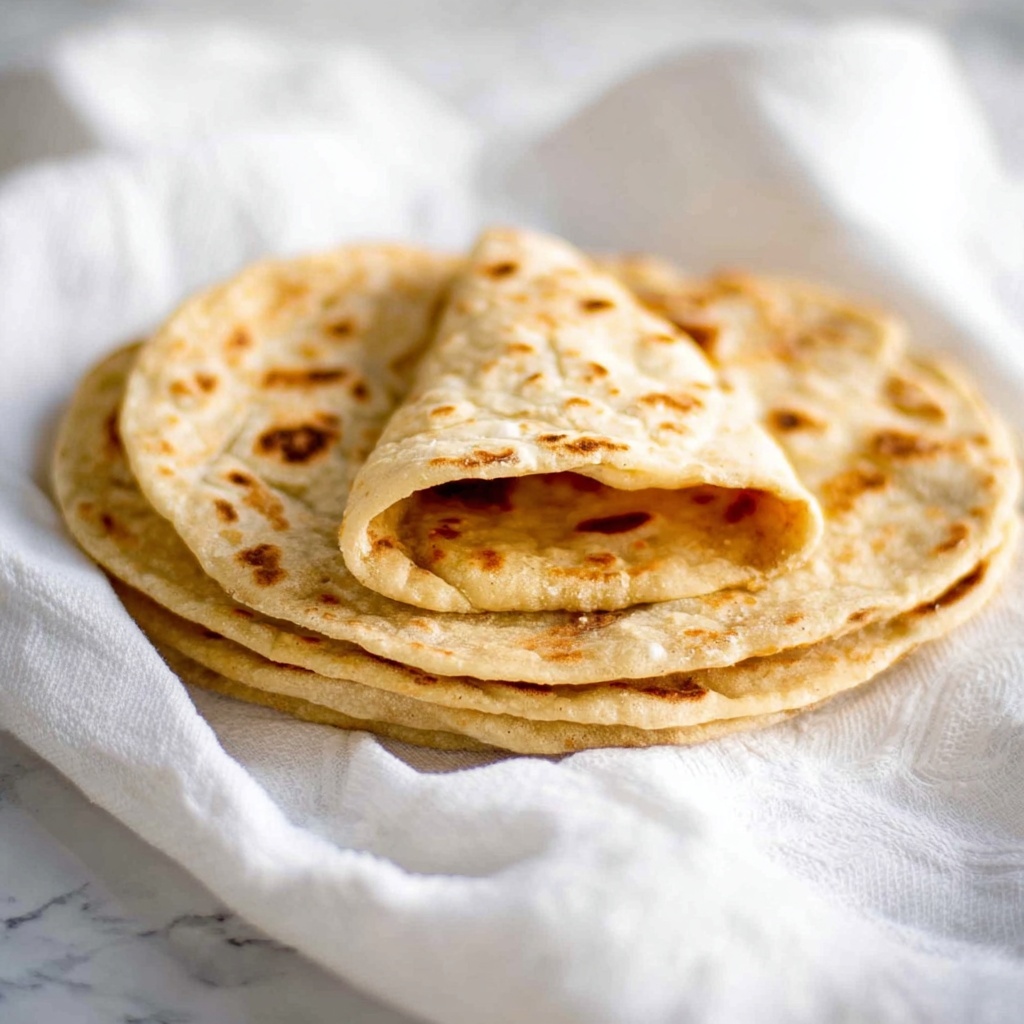
If you’ve ever wanted to bake homemade bread but shied away from yeast and lengthy rising times, you’re about to fall in love with this Easy Soft Flatbread (No Yeast) Recipe. It’s a quick and simple way to create pillowy-soft flatbreads that puff up beautifully in just minutes. Perfect for wraps, dipping, or enjoying plain, this recipe combines basic pantry ingredients to deliver a warm, tender bread that feels both comforting and special. It’s one of those go-to recipes that feels like a little kitchen magic every time you make it.
Ingredients You’ll Need
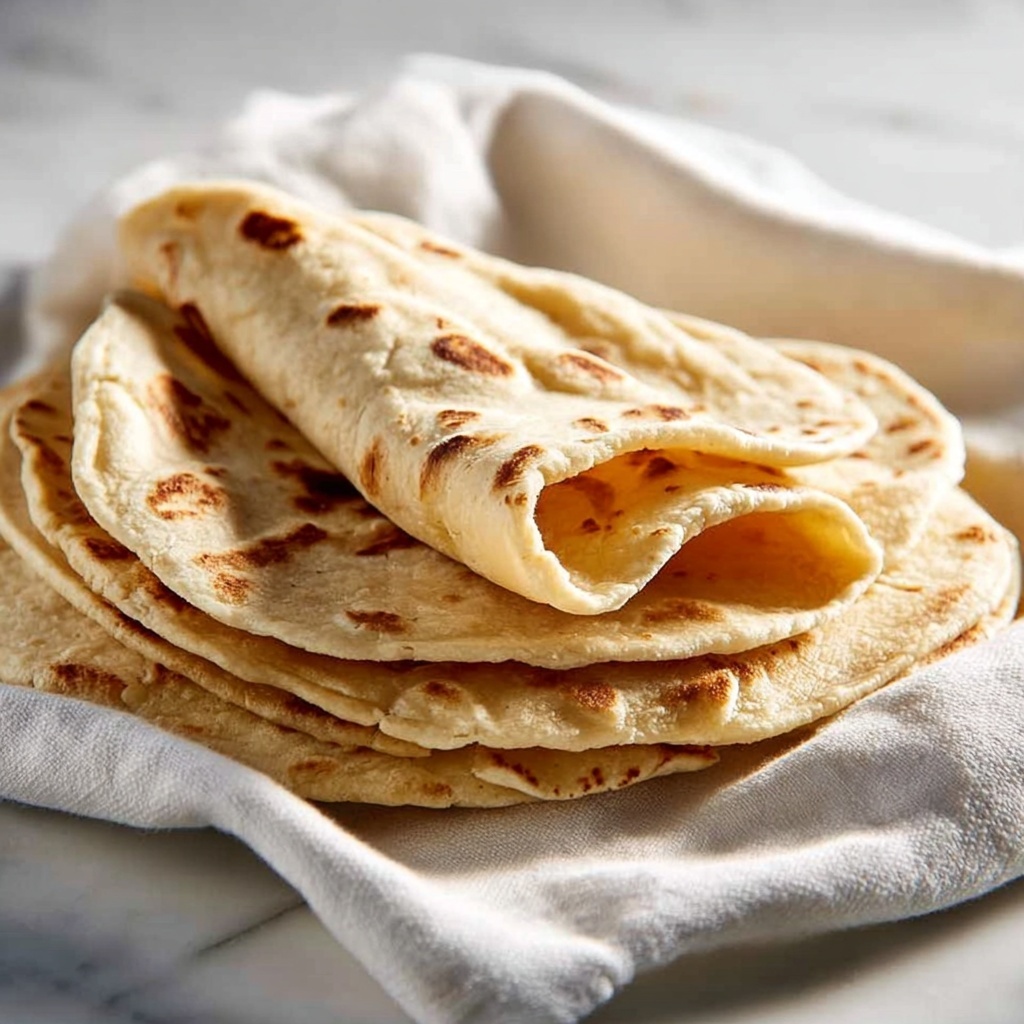
This recipe is all about simplicity, using handfuls of common ingredients that each play a vital role in creating the perfect soft flatbread. From flour providing the structure to melted butter adding richness and milk lending moisture and tenderness, each ingredient is essential for the texture and flavor you’ll adore.
- 2 cups plain flour: The base of your dough providing the right chew and softness without heaviness.
- 1/2 tsp salt: Enhances the overall flavor, bringing balance to the dough.
- 3 1/2 tbsp unsalted butter: Adds a subtle richness and tenderness to every bite.
- 3/4 cup milk: Moistens the dough gently and helps achieve that soft, pliable texture.
- Extra flour (about 1/4 cup): For dusting and adjusting the dough’s consistency, ensuring easy rolling.
How to Make Easy Soft Flatbread (No Yeast) Recipe
Step 1: Melt Butter in Milk
Warm the milk just enough to melt the butter—this ensures it combines beautifully with the flour and salt later on. Whether on the stove or a quick burst in the microwave, you want the butter fully melted but the mixture cool enough to handle comfortably.
Step 2: Combine Dry Ingredients
In a mixing bowl, whisk together the flour and salt. Then pour in your butter-milk mixture. This step sets the stage for that tender dough you’re after, with the salt enhancing flavor and the melted butter evenly dispersing.
Step 3: Knead for 2 Minutes
Sprinkle your work surface with a little flour to avoid sticking. Knead the dough lightly for about two minutes until it becomes smooth and manageable. This is a gentle kneading—too much can make the bread tough. If it feels sticky, just add a little extra flour as needed.
Step 4: Rest the Dough for 30 Minutes
Wrap the dough with cling film and let it rest at room temperature for approximately half an hour. This rest relaxes the gluten, making the dough easier to roll out and helping your flatbreads become delicately soft.
Step 5: Roll Into Rounds
Dust your workspace with flour again. Divide the rested dough into six equal pieces, shaping each into smooth balls. Roll each ball out gently into a round about 20cm (8 inches) in diameter and 2 to 3 millimeters thick. Thin enough to cook quickly but thick enough to stay soft.
Step 6: Heat Your Pan
Place a non-stick pan over high heat—no oil is needed here. Having a very hot pan is crucial for those beautiful golden spots and dramatic puffing. It’s where the magic happens!
Step 7: Cook the Flatbreads
Set one flatbread in your hot pan and cook for about 1 to 1.5 minutes. You’ll notice it puffing up and golden patches forming on the bottom—this is the sign it’s ready to flip. Cook the other side for another 45 seconds to a minute, or until it also develops golden spots and puffs up again.
Step 8: Keep Flatbreads Warm and Soft
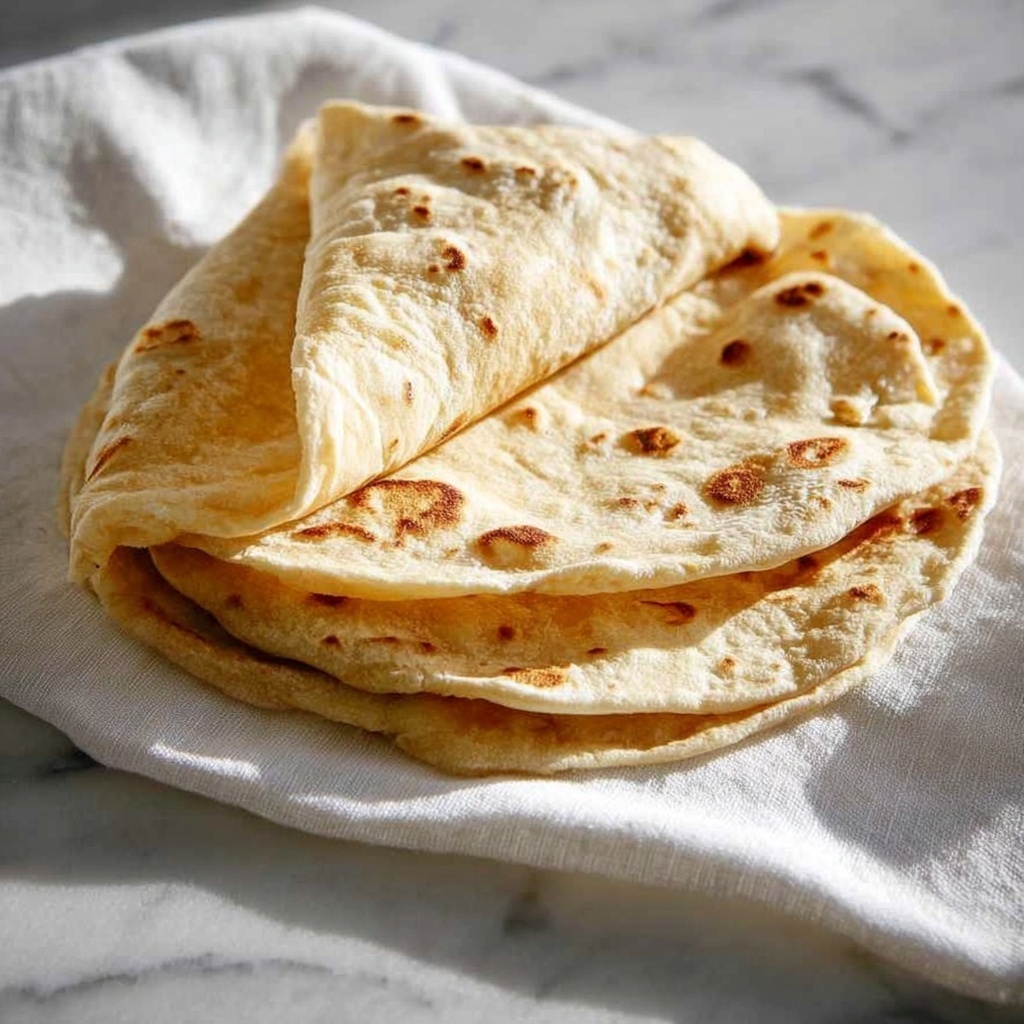
Stack your cooked flatbreads and wrap them in a clean tea towel. This cozy wrap traps moisture, keeping them soft, pliable, and irresistibly tender while you finish cooking the rest.
Step 9: Optional Butter or Oil Brush
For an indulgent finish, brush the warm flatbreads with melted butter or olive oil. Go a step further and mix some minced garlic into melted butter for a delicious garlic butter twist. This quick addition ramps up flavor and makes these breads perfect for any occasion.
How to Serve Easy Soft Flatbread (No Yeast) Recipe
Garnishes
A sprinkle of fresh herbs like chopped parsley, cilantro, or a dusting of za’atar elevates the flatbread’s flavor beautifully. Garlic butter or a drizzle of high-quality olive oil can further enhance each bite, giving you endless ways to tailor the bread to your mood.
Side Dishes
These soft flatbreads pair wonderfully with dips such as hummus, tzatziki, or baba ganoush. They also make a fantastic vehicle for grilled meats, roasted vegetables, or a hearty curry. The neutral but buttery taste means they complement almost any dish you want to serve.
Creative Ways to Present
Try wrapping these flatbreads around your favorite fillings for quick sandwiches or roll them up with cheese and herbs as an appetizer. They can even be used as a base for flatbread pizzas, topped with sauces and fresh ingredients before a quick bake under the broiler.
Make Ahead and Storage
Storing Leftovers
If you find yourself with leftovers, wrap the flatbreads tightly in plastic wrap or place them in an airtight container. They keep well at room temperature for a day or two, remaining soft and ready to enjoy.
Freezing
These flatbreads freeze beautifully. Separate them with parchment paper to avoid sticking and store in a freezer-safe bag. When you want to enjoy them later, simply thaw at room temperature or warm straight from frozen.
Reheating
To bring frozen or leftover flatbreads back to life, reheat in a hot skillet for a minute or two on each side, or warm them in the oven wrapped in foil. Avoid microwaving if possible, to keep that soft texture and slight chewiness intact.
FAQs
Can I substitute the butter with oil?
Absolutely! You can use olive oil or another mild-flavored oil in place of butter. The texture might be slightly different, but the flatbreads will still turn out soft and delicious.
What if I don’t have milk? Can I use water?
Milk adds fat and tenderness to the dough, but if you’re out of milk, water will work in a pinch. Your flatbreads may be a bit less rich, so consider adding a bit more butter or oil to compensate.
Can I add herbs or spices to the dough?
Yes! Adding dried or fresh herbs like oregano, thyme, or even a pinch of chili flakes can be a wonderful way to personalize your flatbreads. Just mix them in with the dry ingredients before combining with the wet.
Why does my flatbread not puff up?
Puffing happens when steam creates air pockets inside the dough. If your pan isn’t hot enough or the dough is rolled too thick or thin, it might not puff. Make sure your pan is hot and roll the dough evenly to about 2-3mm thickness.
Can I make this recipe gluten-free?
This particular recipe relies on plain flour with gluten for structure, so gluten-free flour blends might require some experimentation. Look for gluten-free blends designed for baking, and consider adding xanthan gum for elasticity.
Final Thoughts
Making your own bread can feel intimidating, but this Easy Soft Flatbread (No Yeast) Recipe strips away the fuss and brings you right to soft, pillowy goodness in under an hour. Whether you need a quick bread for dinner or a tasty base for creative dishes, this recipe will soon become a treasured kitchen staple. Grab these pantry basics and start cooking—you’ll be amazed at how easy and rewarding homemade bread can be!
Print
Easy Soft Flatbread (No Yeast) Recipe
- Prep Time: 5 minutes
- Cook Time: 10 minutes
- Total Time: 15 minutes
- Yield: 6 flatbreads (approximately 20 cm / 8 inch each)
- Category: Flatbreads
- Method: Stovetop
- Cuisine: Middle Eastern
Description
This Easy Soft Flatbread recipe is a quick and simple way to make delicious, fluffy flatbreads without any yeast. Perfect for wraps, sandwiches, or as a side to your favorite dishes, these flatbreads require minimal ingredients and only about 15 minutes of hands-on time. The dough is enriched with butter and milk, rolled into thin rounds, then cooked on a hot non-stick pan until golden and puffed. Wrapping them in a tea towel keeps them soft and pliable, making them ideal for a variety of meals.
Ingredients
Dry Ingredients
- 2 cups plain flour (all-purpose flour), unsifted, not packed
- 1/2 tsp salt
- Extra 1/4 cup plain flour for dusting and adjusting dough
Wet Ingredients
- 3 1/2 tbsp (50g / 1.75 oz) unsalted butter
- 3/4 cup milk
Instructions
- Melt butter in milk: Combine the butter and milk in a small saucepan or microwave-safe bowl, and gently heat until the butter is just melted. Set aside this mixture to cool slightly.
- Combine dry ingredients: In a large mixing bowl, combine the 2 cups of plain flour and salt. Pour in the butter and milk mixture, stirring to form a soft dough.
- Knead the dough: Lightly flour your work surface, then turn the dough out and knead gently for about 2 minutes until smooth and slightly elastic. Add extra flour a tablespoon at a time if the dough feels too sticky.
- Rest the dough: Wrap the dough tightly in cling wrap and let it rest at room temperature for 30 minutes. This allows the gluten to relax and makes rolling easier.
- Roll dough into rounds: Divide the dough into 6 equal pieces and shape each into a ball. Dust your bench with flour and roll each ball out into a 20cm (8 inch) round, about 2 to 3 mm thick.
- Heat the pan: Preheat a non-stick pan over high heat without any oil until it is very hot and almost smoking.
- Cook the flatbread: Place one rolled dough round into the hot pan. Cook for about 1 to 1 1/2 minutes until the underside has golden brown patches and the bread puffs up dramatically. Flip and cook the other side for 45 seconds to 1 minute until golden spots appear and it puffs again.
- Keep flatbreads soft: Remove the cooked flatbread and stack them, covering immediately with a clean tea towel. The trapped steam keeps them soft and pliable. Repeat cooking with remaining dough rounds.
- Finish with optional butter or oil: For a more indulgent touch, brush the cooked flatbreads with melted butter, olive oil, or garlic butter right before serving.
Notes
- Use a non-stick pan and cook on high heat without oil to achieve the best puffing and browning.
- Resting the dough is important to relax gluten and aid rolling.
- Wrapping cooked flatbreads with a tea towel helps retain moisture and keep them soft.
- You can customize by brushing with garlic butter for extra flavor.
- Flatbreads are best served warm but can be stored in an airtight container for a day or two.