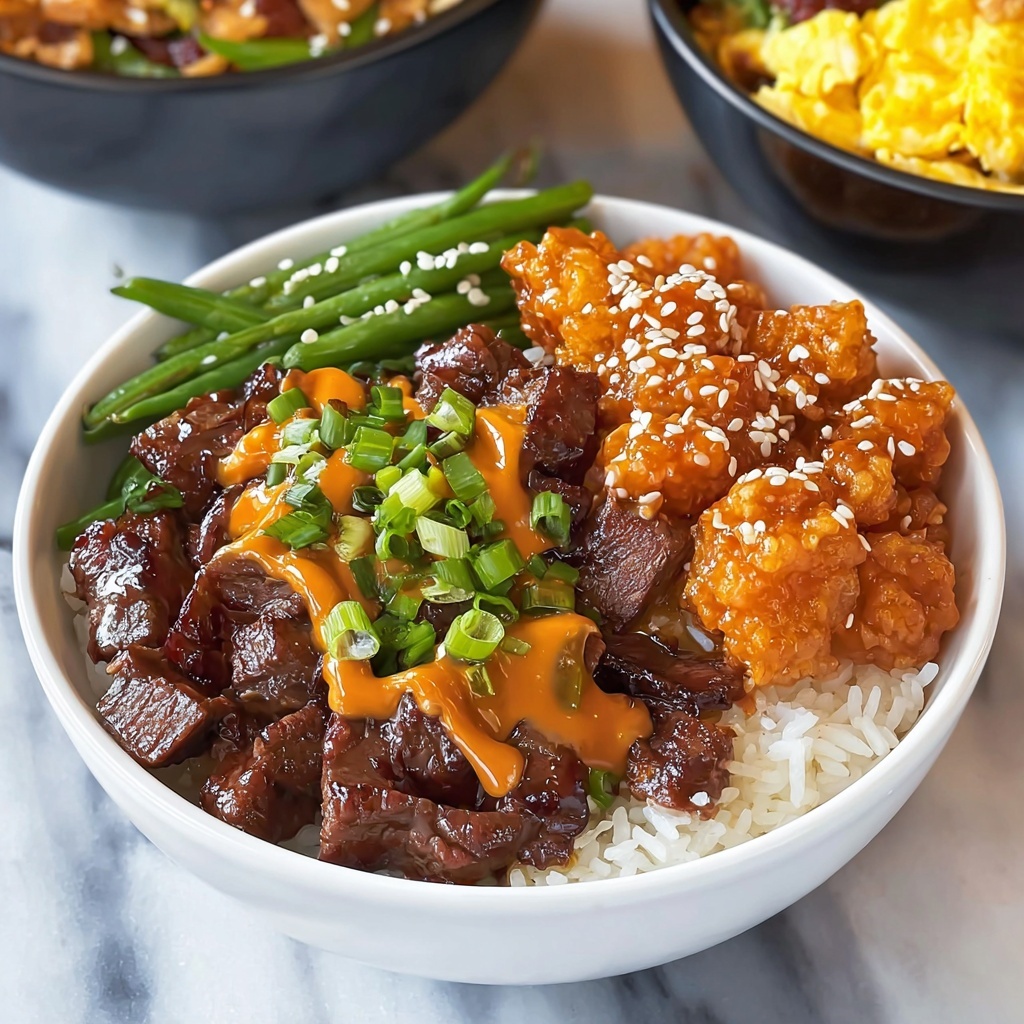
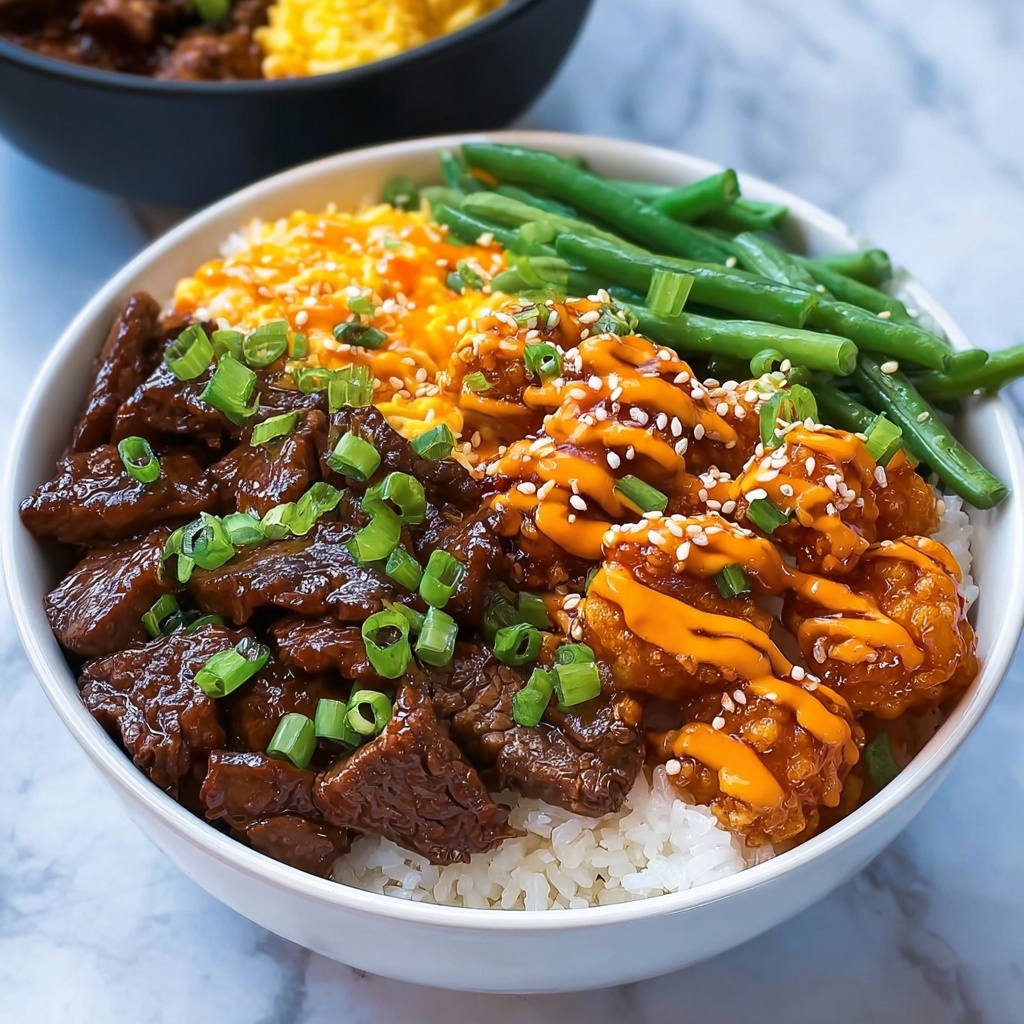
If you’re craving a dish that bursts with bold flavors, vibrant colors, and satisfying textures, you have to try this Korean Spicy Beef Bowls Recipe. It’s a perfect balance of tender, marinated beef coated in a spicy-sweet sauce, paired beautifully with crisp, fresh vegetables over fluffy rice. Every bite is a delightful adventure that’s both comforting and exciting, making it a go-to meal for busy weeknights or casual gatherings. Trust me, once you make this, it’ll become one of your all-time favorite dishes to whip up!
Ingredients You’ll Need
The magic of this Korean Spicy Beef Bowls Recipe comes from its simple yet essential ingredients. Each one plays a crucial role in building that delicious contrast of spicy heat, natural sweetness, and rich savory notes, while also adding wonderful texture and color to your bowl.
- 1 lb flank steak or sirloin: Thinly sliced for quick cooking and tender bites.
- 2 tablespoons soy sauce: Adds salty umami depth that enhances all the flavors.
- 2 tablespoons gochujang: The Korean red pepper paste that gives the dish its iconic spicy kick.
- 1 tablespoon brown sugar: Brings a hint of sweetness that perfectly balances the heat.
- 1 tablespoon sesame oil: Infuses a toasty, nutty aroma to the marinade.
- 2 cloves garlic, minced: Fresh garlic provides punchy, savory warmth.
- 1 teaspoon ginger, minced: Adds a subtle zing and freshness.
- 1 tablespoon vegetable oil: For sautéing the beef and vegetables without overpowering flavors.
- 2 cups cooked jasmine or white rice: The comforting base that soaks up all the delicious sauces.
- 1 cup bell peppers, sliced: Any color works to add sweetness and crunch.
- 1 cup carrots, julienned: Provides a fresh, slightly sweet crunch to the mix.
- 1 cup broccoli florets: Offers a bright, green pop that’s healthy and delicious.
- 2 green onions, chopped: For a fresh, mild oniony garnish.
- Sesame seeds: A final nutty crunch that makes the dish look and taste amazing.
How to Make Korean Spicy Beef Bowls Recipe
Step 1: Prepare the Marinade
Start by mixing soy sauce, gochujang, brown sugar, sesame oil, minced garlic, and ginger in a bowl until the sugar dissolves and everything is combined into a harmonious sauce. This marinade forms the fantastic spicy-sweet flavor base that brings the beef to life.
Step 2: Marinate the Beef
Now, toss your thinly sliced flank steak or sirloin into this marinade, ensuring every piece is well-coated. Let it sit for 15 to 30 minutes to soak up the incredible flavors and tenderize a bit. This simple step will make all the difference in your Korean Spicy Beef Bowls Recipe.
Step 3: Cook the Rice
While your beef is marinating, cook your jasmine or white rice according to the package instructions. The fluffy rice will be the perfect canvas for all the vibrant toppings and saucy beef.
Step 4: Sauté the Beef
Heat vegetable oil in a large skillet or wok over medium-high heat. Spread the marinated beef in a single layer and let it cook undisturbed for 2 to 3 minutes per side until beautifully browned and cooked through. This quick sear locks in juice and flavor.
Step 5: Stir-Fry the Vegetables
Next, add the bell peppers, carrots, and broccoli to the pan with your beef. Stir-fry everything together for 3 to 4 minutes until the vegetables are tender yet still have that satisfying crunch. This brings a wonderful freshness and color contrast to the dish.
Step 6: Adjust the Seasoning
Give your creation a quick taste and tweak it if necessary, adding more soy sauce for saltiness or extra gochujang for more heat. It’s your bowl—make it exactly how you love it!
Step 7: Assemble and Serve
Divide the cooked rice among four bowls, top generously with your spicy beef and vegetables, then sprinkle with chopped green onions and sesame seeds. Serve warm and get ready to indulge!
How to Serve Korean Spicy Beef Bowls Recipe
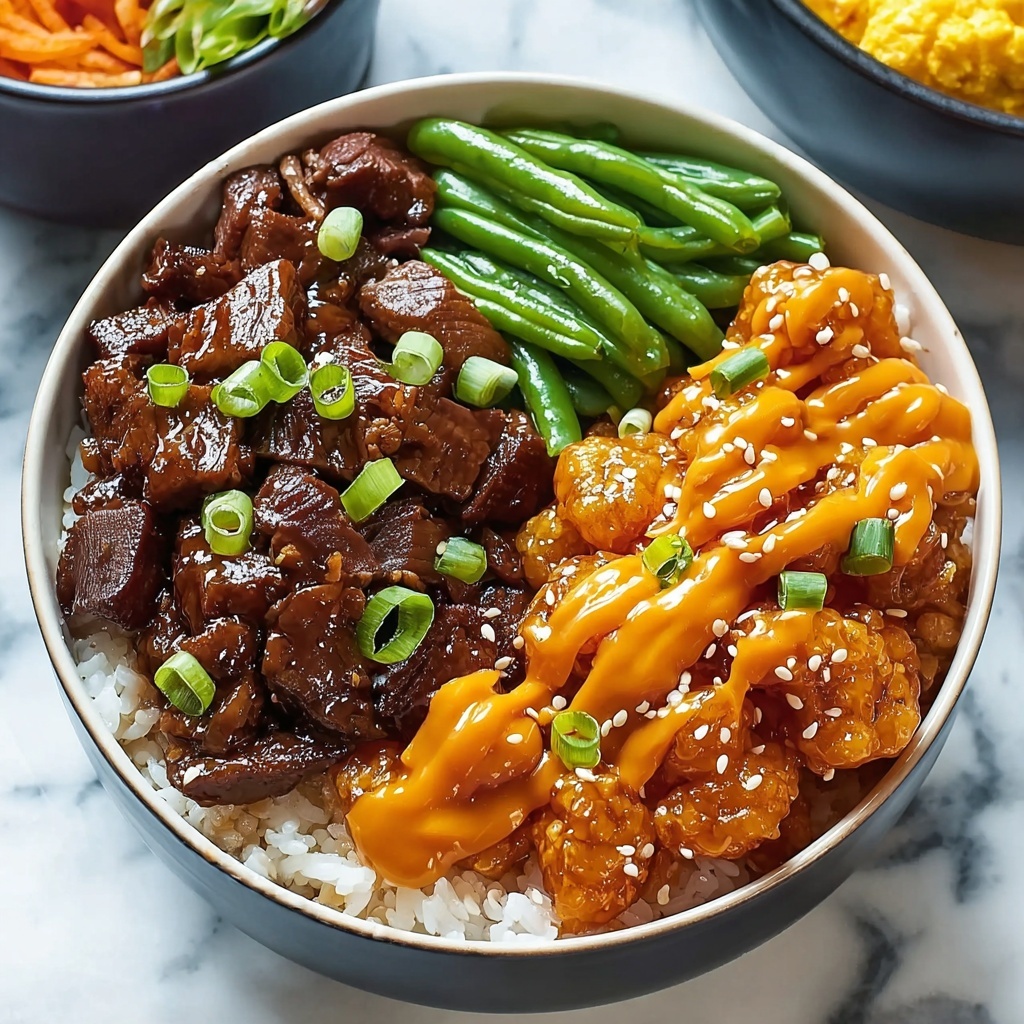
Garnishes
Simple garnishes can make all the difference. Sprinkle a handful of toasted sesame seeds and chopped green onions right before serving. For a little extra flair, a drizzle of sesame oil or a few fresh cilantro leaves can lift the bowl to new heights.
Side Dishes
Pair your Korean Spicy Beef Bowls Recipe with classic Korean sides like kimchi for some tangy crunch or pickled radishes to refresh your palate. A light cucumber salad or simple miso soup also complements the bold flavors perfectly and rounds out the meal.
Creative Ways to Present
If you want to impress, serve this dish in individual stone bowls (dolsot) that keep everything piping hot and add a fun interactive element. Alternatively, you can wrap the beef and vegetables in crisp lettuce leaves for a fresh, handheld option that’s fun to eat and adds a great textural contrast.
Make Ahead and Storage
Storing Leftovers
Leftover Korean Spicy Beef Bowls Recipe can be stored in an airtight container in the refrigerator for up to three days. Keep the rice and beef separate if possible to preserve texture, then combine before reheating.
Freezing
This recipe freezes well if you want to prep ahead. Portion the beef and veggies alone without rice into freezer-safe containers. When ready to eat, thaw in the fridge overnight and warm gently in a skillet to keep the flavors intact.
Reheating
Reheat gently in a skillet over medium heat with a splash of water to prevent dryness. You can also microwave leftovers covered, stirring halfway through, but stovetop reheating better preserves the beef’s texture and overall flavor of the dish.
FAQs
Can I use other cuts of beef for this recipe?
Absolutely! While flank steak or sirloin are ideal for quick cooking and tenderness, you can also use ribeye or skirt steak. Just be mindful to slice the beef thinly for even cooking and tenderness.
Is gochujang very spicy for beginners?
Gochujang has a spicy kick but also brings sweetness and umami, making it milder than some hot chili pastes. You can adjust the quantity in the marinade to suit your spice tolerance and still enjoy the authentic flavor.
Can I make this recipe vegetarian or vegan?
Definitely! Swap the beef for tofu, tempeh, or even mushrooms. Use a plant-based oyster sauce or soy sauce alternative if desired, and your Korean Spicy Beef Bowls Recipe will be just as delicious and satisfying.
What type of rice works best?
Jasmine or plain white rice works wonderfully here, offering a soft, fragrant base. You can also use brown rice or cauliflower rice for a healthier or low-carb twist without sacrificing taste.
How long does the marinade need to be?
Marinating the beef for at least 15 minutes allows the flavors to penetrate nicely. If you have more time, 30 minutes is perfect, but avoid marinating too long as the texture of the beef may become too soft.
Final Thoughts
There’s something truly special about making and sharing this Korean Spicy Beef Bowls Recipe. It’s vibrant, flavorful, and surprisingly easy to prepare, making it a winner for any occasion. I hope you give it a try and see just how delicious and satisfying a homemade Korean meal can be. Ready to wow your taste buds? Let’s get cooking!
Print
Korean Spicy Beef Bowls Recipe
- Prep Time: 10 minutes
- Cook Time: 15 minutes
- Total Time: 25 minutes
- Yield: 4 servings
- Category: Main Dish
- Method: Stovetop
- Cuisine: Korean
Description
This Korean Spicy Beef Bowl recipe features tender, marinated flank steak stir-fried with colorful vegetables and served over fragrant jasmine rice. Enhanced with gochujang, garlic, and ginger, this quick and flavorful dish brings bold Korean flavors right to your table in just 25 minutes, perfect for a weeknight dinner that will impress.
Ingredients
Marinade and Beef
- 1 lb flank steak or sirloin, thinly sliced
- 2 tablespoons soy sauce
- 2 tablespoons gochujang (Korean red pepper paste)
- 1 tablespoon brown sugar
- 1 tablespoon sesame oil
- 2 cloves garlic, minced
- 1 teaspoon ginger, minced
- 1 tablespoon vegetable oil
Vegetables and Garnish
- 1 cup bell peppers, sliced (any color)
- 1 cup carrots, julienned
- 1 cup broccoli florets
- 2 green onions, chopped
- Sesame seeds for garnish
Base
- 2 cups cooked jasmine or white rice
Instructions
- Prepare the marinade: In a bowl, combine soy sauce, gochujang, brown sugar, sesame oil, minced garlic, and minced ginger; mix well to create a flavorful marinade.
- Marinate the beef: Add the thinly sliced beef to the marinade; toss thoroughly to coat evenly. Let it marinate for 15 to 30 minutes to absorb the spices and tenderness.
- Cook the rice: Prepare 2 cups of jasmine or white rice according to the package instructions so it’s ready to serve alongside the beef and veggies.
- Heat the pan: Place a large skillet or wok over medium-high heat and add the vegetable oil, allowing it to heat up before cooking.
- Cook the beef: Add the marinated beef in a single layer to the hot skillet; cook for 2 to 3 minutes per side until the beef is nicely browned and cooked through.
- Stir-fry vegetables: Add sliced bell peppers, julienned carrots, and broccoli florets to the skillet with the beef; stir-fry for an additional 3 to 4 minutes until the vegetables are tender-crisp.
- Adjust seasoning: Taste your stir-fry and add extra soy sauce or gochujang if you desire more flavor or heat.
- Assemble the bowls: Divide the cooked rice evenly into serving bowls, top each with the spicy beef and vegetable mixture.
- Garnish and serve: Sprinkle chopped green onions and sesame seeds over the top, serve immediately while warm, and enjoy your Korean Spicy Beef Bowls.
Notes
- Marinate the beef longer for more intense flavor, up to 2 hours, if possible.
- Use sirloin as a substitute for flank steak if preferred.
- Adjust gochujang quantity depending on your spice tolerance.
- Substitute jasmine rice with brown rice or cauliflower rice for a healthier twist.
- Vegetables can be varied according to season or preference; snap peas or mushrooms work well too.