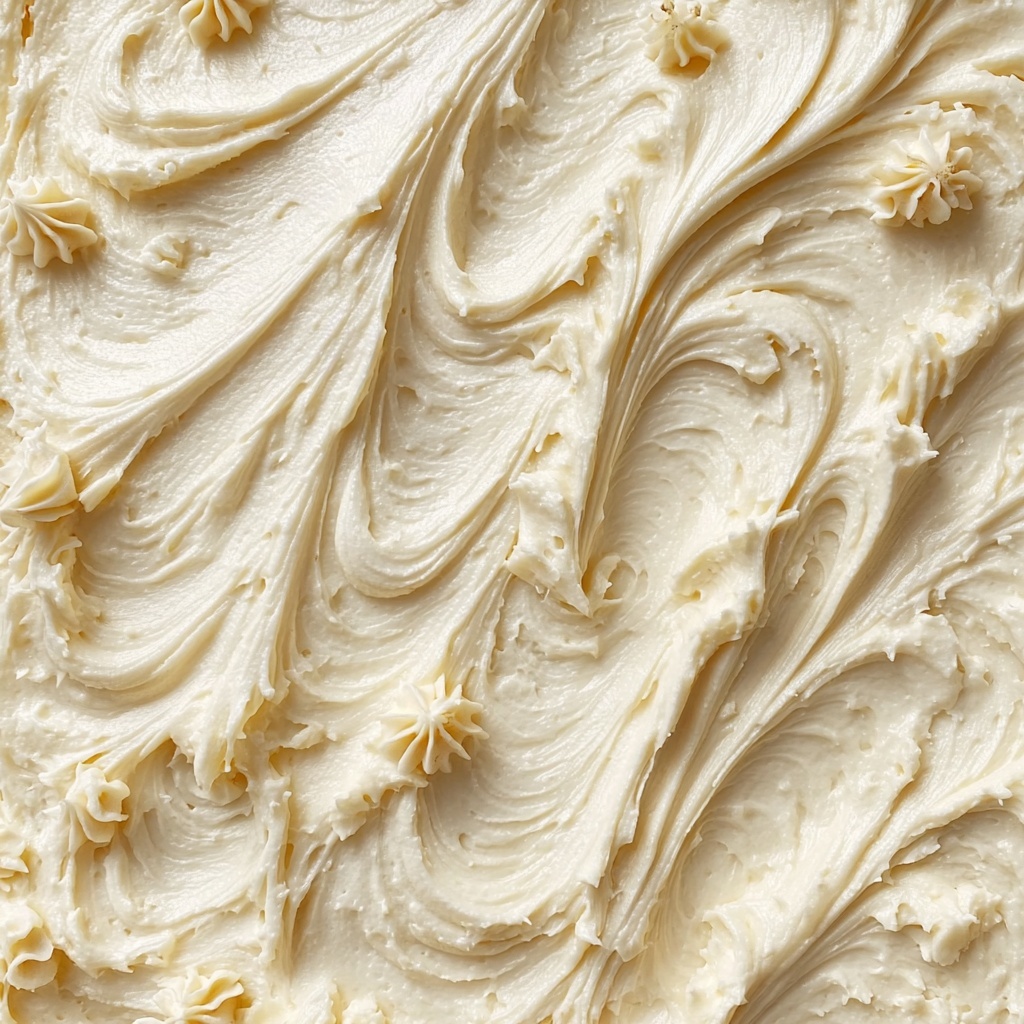
If you have ever dreamed of making your own homemade treat that feels like a little scoop of heaven on a hot day, then this Classic Vanilla Ice Cream Recipe is exactly what you need. Creamy, rich, and bursting with pure vanilla flavor, this recipe turns simple pantry staples into an irresistible dessert everyone will love. Whether you’re an ice cream aficionado or a kitchen newbie, this recipe delivers that perfect smooth texture and comforting sweetness that only true vanilla custard can offer.
Ingredients You’ll Need
The magic of this Classic Vanilla Ice Cream Recipe lies in its simplicity. Each ingredient plays a crucial role, from the richness of the heavy cream to the warm, aromatic vanilla bean, all combining to create that luscious texture and flavor that ice cream lovers crave.
- Heavy cream: Provides the rich, velvety base essential for creamy ice cream texture.
- Whole milk: Balances the creaminess and keeps the ice cream from becoming too dense.
- Granulated sugar: Sweetens the mixture perfectly and helps with smooth freezing.
- Vanilla bean (or pure vanilla extract): Imparts deep, natural vanilla flavor, far superior to artificial flavorings.
- Large egg yolks: Create a luscious custard base, giving the ice cream its creamy body and slight richness.
How to Make Classic Vanilla Ice Cream Recipe
Step 1: Prepare the Vanilla
Begin by cracking open a vanilla bean pod and scraping out the tiny seeds; these little black specks are flavor gold. Add both the seeds and the pod to a saucepan filled with the cream and milk. If you’re using vanilla extract instead, hold off on adding it until later.
Step 2: Heat the Milk and Cream
Slowly warm your cream, milk, and half of the sugar over medium heat. Stir occasionally until the mixture reaches a gentle simmer – just before boiling. This step helps infuse the vanilla flavor thoroughly and starts dissolving the sugar for perfect sweetness.
Step 3: Whisk the Egg Yolks
While your milk and cream are warming, whisk the egg yolks together with the remaining sugar. Whisk until it’s pale, smooth, and slightly thickened. This technique ensures the eggs will blend seamlessly without scrambling in the next steps.
Step 4: Temper the Eggs
To combine without curdling, slowly pour about half a cup of the hot milk mixture into your egg yolks while whisking constantly. This tempers the eggs, bringing their temperature closer to the warm mixture. Then, pour everything back into the saucepan.
Step 5: Cook the Custard
Place the saucepan over low heat and stir constantly until the custard thickens enough to coat the back of a spoon—in technical terms, when it hits about 170–175°F (77–80°C). Don’t let it boil! Immediately remove from heat to prevent scrambling.
Step 6: Add Vanilla Extract
If you used vanilla extract instead of the bean pod, stir it in now to maintain that vibrant vanilla aroma without losing it to the heat.
Step 7: Chill the Custard
Pour the custard through a fine sieve into a clean bowl to catch any cooked bits, then cover it with plastic wrap pressed directly onto the surface to prevent skin from forming. Chill your custard in the fridge for at least 4 hours or ideally overnight—the longer, the better the flavors meld.
Step 8: Churn the Ice Cream
Once chilled, pour your custard into your ice cream maker and churn according to the manufacturer’s instructions. If you don’t have an ice cream maker, don’t sweat it! Freeze the mixture in a shallow dish and stir thoroughly every hour for 3 to 4 hours to break up ice crystals and achieve a creamy finish.
Step 9: Freeze and Serve
Transfer the freshly churned ice cream to an airtight container and freeze for at least 2 hours to set completely. When you’re ready, scoop generous portions and savor the fruit of your delicious labor.
How to Serve Classic Vanilla Ice Cream Recipe
Garnishes
This Classic Vanilla Ice Cream Recipe is pure joy on its own but can become even more special with a thoughtful garnish. Sprinkle some toasted nuts for crunch, drizzle warm caramel sauce for extra indulgence, or pop a few fresh berries on top for a burst of color and freshness.
Side Dishes
Vanilla ice cream pairs wonderfully with warm desserts like apple pie, brownies, or a drizzle of hot fudge. It also balances spicy desserts like gingerbread or even complements fruity treats like peach cobbler in the summertime.
Creative Ways to Present
Take your serving game up a notch by presenting scoops inside waffle cones or between two homemade cookies for an ice cream sandwich. You can even serve it in elegant glasses with layers of fruit compote or chocolate shavings for a classy touch that wows guests.
Make Ahead and Storage
Storing Leftovers
Leftover ice cream keeps best when stored in an airtight container to prevent freezer burn and ice crystals. Press a piece of parchment paper or plastic wrap directly on the ice cream surface before sealing to maintain smooth texture.
Freezing
Your homemade ice cream benefits from some additional time in the freezer after churning. Let it freeze solid for 2 hours or more before serving to perfect the creamy texture. Remember, gradual freezing prevents ice crystals and keeps it scoopable.
Reheating
Unlike other dishes, ice cream doesn’t require reheating. Instead, if it’s too hard after freezing, simply let it sit at room temperature for 5 to 10 minutes before scooping for easier serving without melting.
FAQs
Can I use regular milk instead of whole milk?
While you can substitute lower-fat milk, whole milk provides the ideal creaminess and richness for this Classic Vanilla Ice Cream Recipe. Using skim or low-fat milk may result in a less creamy texture.
What if I don’t have a vanilla bean?
No problem! Pure vanilla extract is a perfectly fine alternative and will still give you wonderful vanilla flavor. Just add it after the custard is cooked to preserve its aroma.
Can I make this recipe without an ice cream maker?
Absolutely! Use the no-churn method by freezing the custard in a shallow dish and stirring it every hour for several hours. It takes a bit more patience but the results are still delicious.
How long does homemade vanilla ice cream last in the freezer?
For the best quality, enjoy homemade ice cream within 1 to 2 weeks. It can technically be stored longer, but flavor and texture may decline over time.
Is it safe to use raw egg yolks in this recipe?
This recipe involves cooking the egg yolks gently in the custard to a safe temperature, which significantly reduces any risk. Just be sure to monitor your temperature closely and avoid overheating.
Final Thoughts
There really is something special about making your own ice cream at home, especially with a Classic Vanilla Ice Cream Recipe as reliable and delicious as this one. It invites you to slow down, savor the process, and enjoy every silky spoonful. So grab your ingredients, roll up your sleeves, and treat yourself to the ultimate homemade vanilla ice cream experience—your taste buds will thank you!
Print
Classic Vanilla Ice Cream Recipe
- Prep Time: 15 minutes
- Cook Time: 25 minutes
- Total Time: 4 hours 40 minutes
- Yield: 6 servings
- Category: Dessert
- Method: Stovetop
- Cuisine: American
Description
Classic Vanilla Ice Cream is a rich, creamy dessert made from a custard base infused with real vanilla. This recipe uses heavy cream, whole milk, egg yolks, and either a vanilla bean or vanilla extract to create a smooth and luscious ice cream that’s perfect for any occasion.
Ingredients
Ice Cream Base
- 2 cups (500 ml) heavy cream
- 1 cup (250 ml) whole milk
- 3/4 cup (150 g) granulated sugar
- 1 vanilla bean (or 2 tsp pure vanilla extract)
- 4 large egg yolks
Instructions
- Prepare the Vanilla: If using a vanilla bean, split it lengthwise and scrape out the seeds. Add both the seeds and the pod to a saucepan along with the cream and milk. If using vanilla extract, hold off on adding it until later.
- Heat the Milk and Cream: Place the cream, milk, and half of the sugar in the saucepan. Heat over medium, stirring occasionally, until the mixture starts to simmer but does not boil.
- Whisk the Egg Yolks: In a separate bowl, whisk the egg yolks together with the remaining half of the sugar until the mixture becomes pale in color and slightly thickened.
- Temper the Eggs: Slowly pour about 1/2 cup of the hot milk and cream mixture into the egg yolks while whisking continuously. This prevents the eggs from scrambling. Then, pour the tempered eggs back into the saucepan with the rest of the milk mixture.
- Cook the Custard: Cook the combined mixture over low heat, stirring constantly with a wooden spoon or spatula, until the custard thickens and reaches between 170–175°F (77–80°C). Remove immediately to avoid curdling.
- Add Vanilla Extract: If you are using vanilla extract instead of a bean, stir it in now once the custard is off the heat.
- Chill the Custard: Strain the custard through a fine sieve into a clean bowl to remove any solids and the vanilla pod. Cover the custard with plastic wrap, pressing it directly onto the surface, and chill for at least 4 hours or overnight for best results.
- Churn the Ice Cream: Pour the chilled custard into an ice cream maker and churn according to the manufacturer’s instructions until thick and creamy. If you do not have an ice cream maker, pour the custard into a shallow dish and freeze, stirring vigorously every hour to break up ice crystals, for 3–4 hours.
- Freeze and Serve: Transfer the churned ice cream to an airtight container and freeze for at least 2 more hours to firm up before serving. Scoop and enjoy your homemade classic vanilla ice cream.
Notes
- Using a vanilla bean gives the ice cream a more intense vanilla flavor and beautiful specks, but vanilla extract works well too.
- Do not let the custard boil or the eggs will curdle; thickening at low heat ensures a smooth texture.
- Chilling the custard thoroughly before churning helps the ice cream freeze evenly and improves texture.
- If you do not have an ice cream maker, regular stirring during freezing helps prevent large ice crystals.
- For a richer ice cream, you can substitute some whole milk with more heavy cream.
- Store the ice cream in an airtight container to avoid freezer burn and maintain freshness.