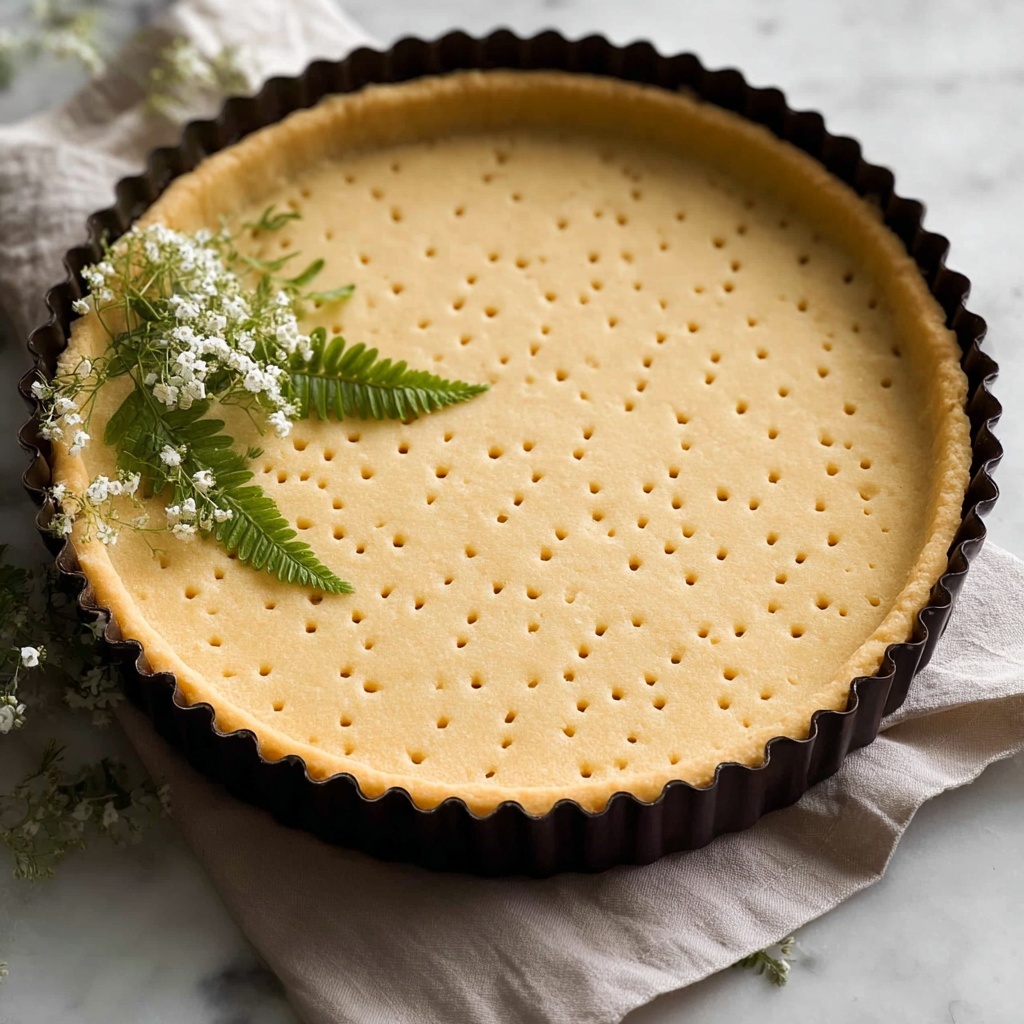
The Pâte Sucrée – French Sweet Tart Crust (Pastry Dough) Recipe is a timeless classic that brings the elegant flavors and delicate textures of French patisserie right into your kitchen. This buttery, sweet, and tender crust forms the perfect foundation for any tart, providing just the right balance of crispness and richness. Whether you’re planning a luscious fruit tart or a creamy custard base, mastering this recipe will elevate your dessert game and impress everyone at the table with an authentic taste of France.
Ingredients You’ll Need
Preparing this Pâte Sucrée – French Sweet Tart Crust (Pastry Dough) Recipe calls for ingredients you likely already have on hand, yet each one plays a vital role in creating that dreamy, melt-in-your-mouth texture. From the finely ground almonds that add a subtle nuttiness to the soft butter that ensures tenderness, every component is essential for that perfect crust.
- Flour (1 1/2 cups): The base structure of the dough, providing strength and a tender crumb when combined correctly.
- Soft icing sugar/powdered sugar (6 1/2 tbsp, sifted): Adds necessary sweetness and contributes to the dough’s delicate crumbly texture.
- Almond meal/ground almonds (2 1/2 tbsp): This subtle nutty flavor and extra moisture create richness and depth in the crust.
- Salt (1/4 tsp): Balances the sweetness and enhances all the flavors in the pastry.
- Unsalted butter (100g/7 tbsp, softened, cut into 1cm cubes): The star ingredient that lends the dough its tender, flaky mouthfeel with a rich buttery flavor.
- Large egg (1, room temperature, about 55-60g): Binds the ingredients together and adds a beautiful golden color to the finished crust.
How to Make Pâte Sucrée – French Sweet Tart Crust (Pastry Dough) Recipe
Step 1: Combine Dry Ingredients
Start by gently whisking together the flour, soft icing sugar, almond meal, and salt in a large bowl. This ensures all dry elements are evenly distributed and ready for the butter to work its magic. Using almond meal here not only adds flavor but keeps the dough tender, which is the hallmark of Pâte Sucrée.
Step 2: Incorporate the Butter
Add the softened, cubed butter to the dry mixture. Use your fingertips to rub the butter into the flour blend until it resembles fine breadcrumbs. The key is to work quickly so the butter stays cool but is well blended. This process is what creates that tender, crumbly texture instead of a tough crust.
Step 3: Add the Egg
Lightly beat the egg and pour it over the breadcrumb mixture. Use a fork or your hands to gently mix the dough, bringing it together just enough so it holds without being sticky. The egg is your binder and will give the dough a lovely golden hue once baked.
Step 4: Form the Dough
Turn the dough out onto a lightly floured surface. Press it together into a flat disc, taking care not to overwork it, which could lead to gluten formation and a tough crust. Wrap the disc tightly in plastic wrap and chill for at least 30 minutes—this resting time is crucial for the butter to firm up again.
Step 5: Roll Out the Dough
Once your dough has chilled, lightly flour a clean surface and rolling pin. Roll the dough evenly into a circle about 3mm thick, wide enough to line your tart pan with some overhang. Try to keep the thickness consistent for even baking and texture.
Step 6: Line the Tart Pan
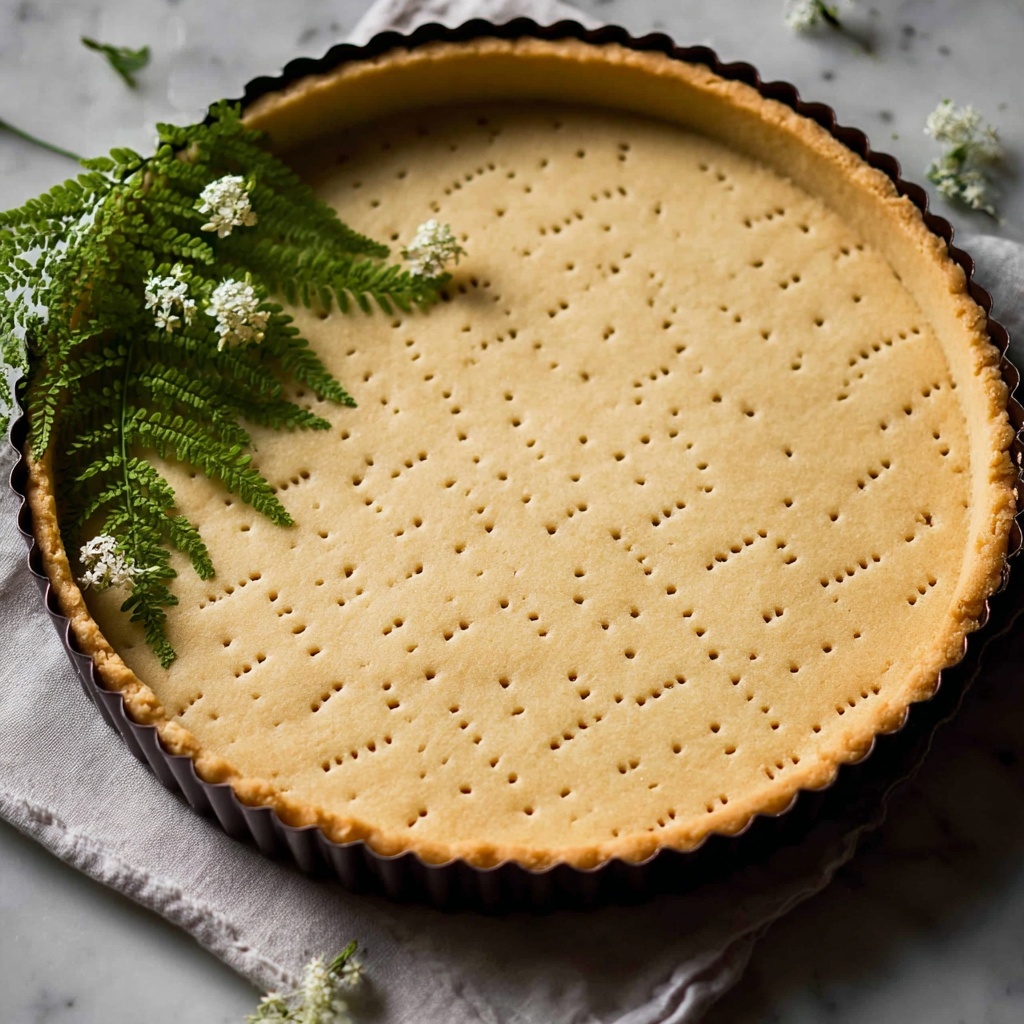
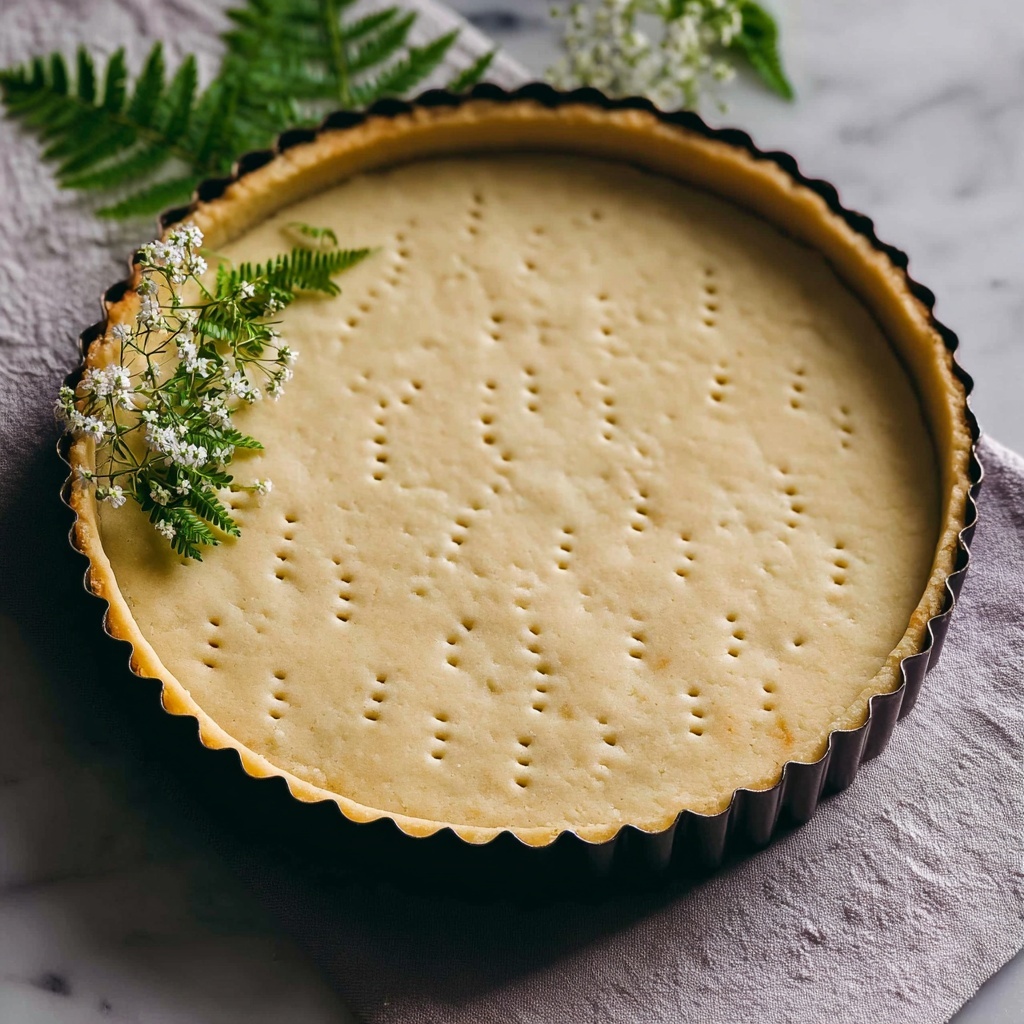
Carefully transfer the rolled dough to your tart pan, gently pressing it into the edges without stretching. Trim the excess dough by rolling the pin over the edge of the pan for a clean finish. Prick the bottom with a fork to prevent bubbling during baking.
Step 7: Bake the Crust
Preheat your oven to 350°F (175°C). For a perfectly baked crust, chill the prepared tart shell in the fridge for 15 minutes before baking. Blind bake it by lining with parchment paper and filling with baking weights or dried beans; bake for about 15 minutes. Remove the weights and bake another 10–15 minutes until golden and firm. Let it cool completely before filling with your favorite filling.
How to Serve Pâte Sucrée – French Sweet Tart Crust (Pastry Dough) Recipe
Garnishes
The beauty of your Pâte Sucrée crust is that it pairs wonderfully with fresh, vibrant garnishes. Think freshly sliced berries, a dusting of powdered sugar, or a drizzle of rich chocolate ganache. The subtle sweetness of the crust balances bold, tart fruits perfectly, making every bite unforgettable.
Side Dishes
Though this crust often shines as the star foundation for desserts, it also pairs surprisingly well with a scoop of vanilla bean ice cream or a dollop of lightly whipped cream. These simple accompaniments add luxurious creaminess, complementing the crisp crust texture wonderfully.
Creative Ways to Present
Get creative by using your Pâte Sucrée – French Sweet Tart Crust (Pastry Dough) Recipe as a base for miniature tartlets or an elaborate multi-layered tart. You can also infuse the dough with citrus zest for an aromatic twist or sprinkle the edges with crushed nuts for added texture and a rustic look. Presentation is your playground!
Make Ahead and Storage
Storing Leftovers
If you end up with leftover baked tart crust, store it in an airtight container at room temperature for up to 2 days, keeping it crisp and fresh. Alternatively, covering the cooled crust loosely with foil inside the refrigerator can extend freshness slightly.
Freezing
You can freeze the unbaked dough disk wrapped tightly in plastic wrap for up to 1 month. When ready, thaw it overnight in the fridge before rolling out. Even the fully baked crust can be frozen, wrapped securely in plastic wrap and foil, then reheated gently when needed.
Reheating
To warm a baked tart crust without losing its crispness, place it in a preheated oven at 300°F (150°C) for 5–7 minutes. Avoid microwaving as it may turn soggy. This gentle reheating restores the texture beautifully if your tart has been stored.
FAQs
What makes Pâte Sucrée different from other tart doughs?
Pâte Sucrée is a sweet, buttery French tart dough that contains sugar and egg, which sets it apart from Pâte Brisée or pâte sablée by its tender, crumbly texture and slightly richer flavor, making it perfect for sweet tarts.
Can I use salted butter for this recipe?
It’s best to use unsalted butter to control the salt level precisely, but if you only have salted butter, reduce or skip the additional salt. Keep in mind, unsalted butter offers a cleaner, purer flavor in your Pâte Sucrée.
Why is chilling the dough important?
Chilling allows the butter to firm up, reduces gluten development, and makes the dough easier to roll without sticking or shrinking, all contributing to a tender, flaky crust.
Can I add flavors to Pâte Sucrée dough?
Absolutely! Adding citrus zest, vanilla bean seeds, or a touch of cinnamon can elevate your crust, adding subtle complexity that complements many fillings without overshadowing them.
How do I prevent the crust from shrinking during baking?
Proper chilling before baking, avoiding overworking the dough, and blind baking with weights help maintain the shape and prevent shrinkage, ensuring a perfect tart shell every time.
Final Thoughts
Embracing the Pâte Sucrée – French Sweet Tart Crust (Pastry Dough) Recipe opens a door to endless baking possibilities with a crust that’s irresistibly tender and flavorful. This recipe is a true must-have for any enthusiastic baker craving that authentic French bakery experience right at home. I encourage you to try it out soon and watch your tarts transform into stunning masterpieces that taste just as wonderful as they look!
Print
Pâte Sucrée – French Sweet Tart Crust (Pastry Dough) Recipe
- Prep Time: 15 minutes
- Cook Time: 30 minutes
- Total Time: 45 minutes
- Yield: 1 tart shell (9-inch tart pan)
- Category: Dessert
- Method: Baking
- Cuisine: French
Description
Pâte Sucrée is a classic French sweet tart crust known for its delicate, crisp texture and buttery, slightly sweet flavor. This rich pastry dough incorporates almond meal and icing sugar to enhance flavor and tenderness, making it the perfect base for a variety of fruit tarts, custard pies, and elegant desserts.
Ingredients
Dry Ingredients
- 1 1/2 cups plain/all purpose flour
- 6 1/2 tbsp soft icing sugar / powdered sugar, sifted
- 2 1/2 tbsp almond meal / ground almonds
- 1/4 tsp salt
Wet Ingredients
- 100g / 7 tbsp unsalted butter, softened and cut into 1cm cubes
- 1 large egg, at room temperature (55-60g/2 oz)
Instructions
- Prepare the Dry Ingredients: In a large bowl, combine the flour, sifted icing sugar, almond meal, and salt. Whisk them together to ensure an even distribution of ingredients for a consistent dough.
- Add the Butter: Add the softened butter cubes to the dry mixture. Using your fingers, a pastry cutter, or a food processor, gently rub or pulse the butter into the flour mixture until it resembles fine breadcrumbs with some pea-sized lumps remaining. This texture helps create a tender crust.
- Incorporate the Egg: Make a well in the center of the mixture and add the room temperature egg. Using a fork or your hands, gradually mix the egg into the flour and butter mixture to begin forming a dough.
- Knead the Dough: Transfer the dough onto a lightly floured surface and gently knead it just a few times until it comes together into a smooth ball. Avoid overworking the dough to keep the crust tender and crumbly.
- Chill the Dough: Flatten the dough ball into a disc, wrap it tightly in plastic wrap, and refrigerate for at least 30 minutes to 1 hour. Chilling allows the butter to firm up and the gluten to relax, which prevents shrinkage during baking.
- Roll Out the Dough: Remove the chilled dough from the refrigerator. On a lightly floured surface, roll it out evenly into a circle about 3-4 mm thick, large enough to fit your tart pan with some overhang.
- Fit the Dough into Tart Pan and Bake: Carefully transfer the rolled dough into your tart pan, pressing it gently into the corners and sides. Trim excess dough. Prick the base evenly with a fork to prevent bubbling. For blind baking, line the crust with parchment paper and fill with baking weights or dried beans. Bake at 350°F (175°C) for about 25-30 minutes or until golden and cooked through. Remove weights and parchment in the last 5 minutes to let the base dry out and brown slightly.
Notes
- Note 1: Sifting icing sugar ensures a smooth dough without lumps.
- Note 2: Almond meal adds flavor and tenderness but can be omitted if allergic.
- Note 3: Using room temperature egg helps the dough come together smoothly.
- Do not overwork the dough to avoid developing gluten, which makes the tart tough.
- Chilling the dough is crucial to maintain its texture and prevent shrinkage during baking.
- Blind baking is recommended for custard or fresh fruit tarts to prevent a soggy crust.