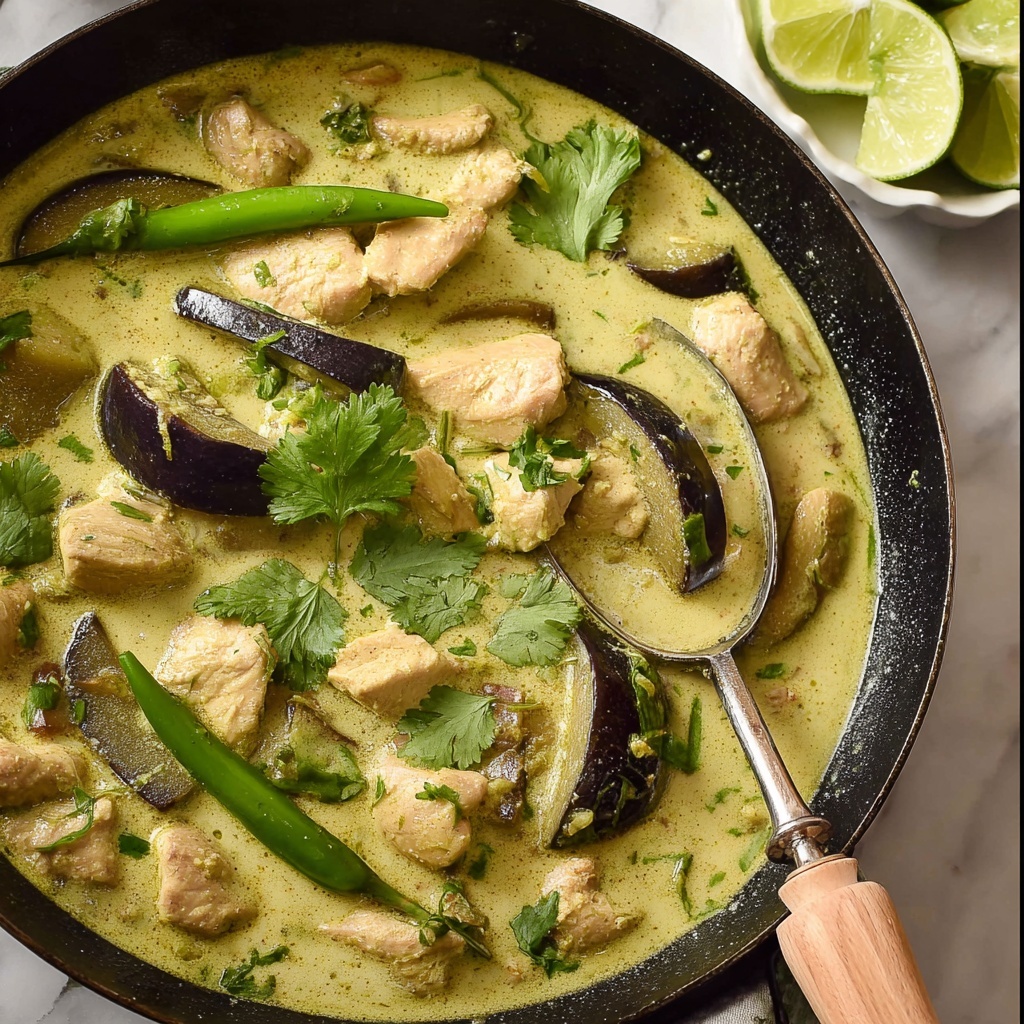
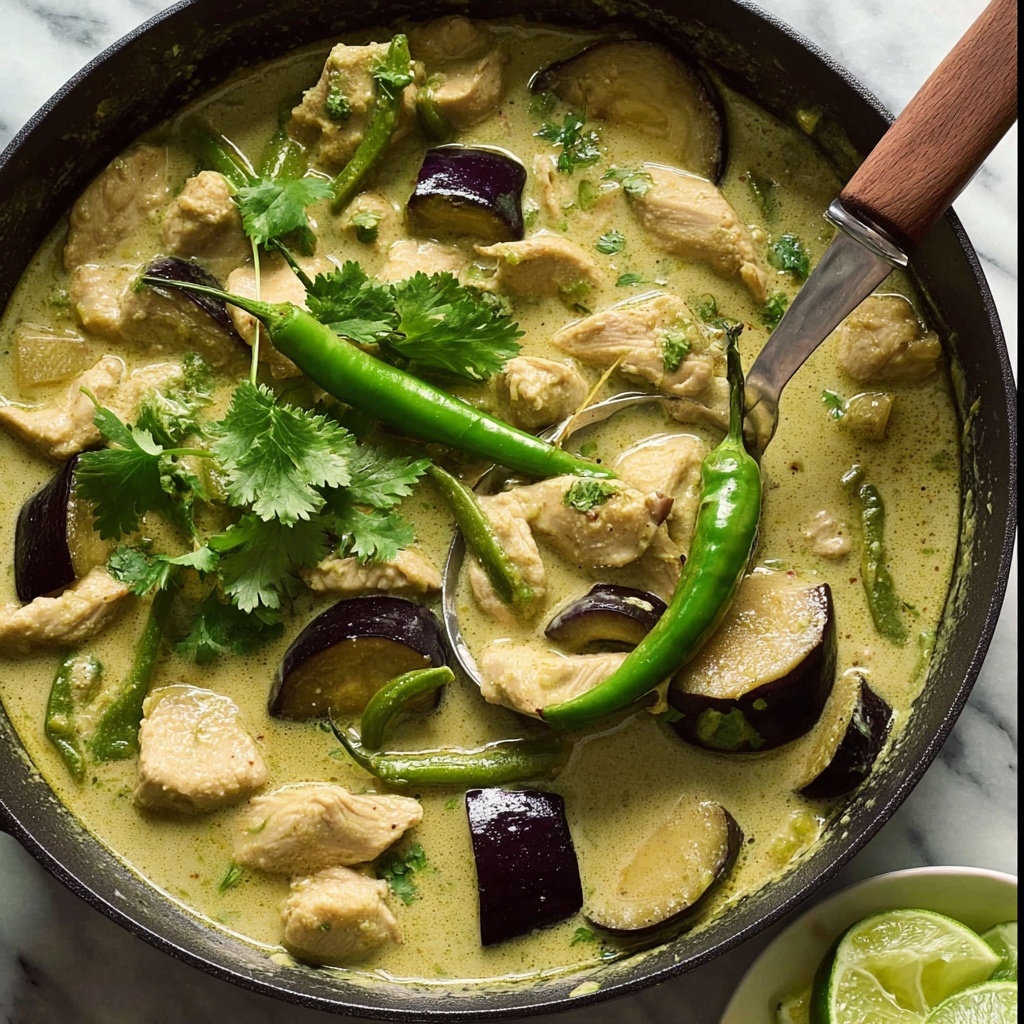
If you are on the hunt for an incredibly flavorful and comforting dish that bursts with vibrant colors and aromatic spices, this Thai Green Curry Recipe is a total game-changer. It marries creamy coconut milk with fragrant herbs and spices, creating a harmonious blend that feels like a warm hug from the inside out. Whether you’re a seasoned cook or a curious foodie eager to dive into Thai cuisine, this recipe brings together simple, accessible ingredients to deliver an authentic, satisfying experience that will have you coming back for seconds. Get ready to ignite your taste buds with every spoonful!
Ingredients You’ll Need
Crafting the perfect Thai Green Curry Recipe is all about balancing fresh, bright ingredients with rich and creamy elements. Each component plays a vital role in shaping the dish’s final taste, texture, and appearance, turning everyday pantry staples into something truly special.
- Thai Green Curry Paste (4 – 6 tbsp): The heart of the dish, this paste packs herbal and spicy punch—you can use store-bought like Maesri or homemade for an extra fresh touch.
- Garlic (2 large cloves, minced): Adds deep, savory aroma that builds complexity in the curry.
- Fresh ginger (2 tsp, finely grated): Offers a warm, zesty element that balances richness beautifully.
- Lemongrass paste (1 tbsp): Brightens the curry with citrusy, slightly lemony notes.
- Vegetable oil (2 tbsp): For gently frying the paste and aromatics to develop their flavors.
- Chicken or vegetable broth (1 cup, low sodium): Adds depth and a subtle savory base without overpowering.
- Coconut milk (400 g/14 oz, full fat): Creates that creamy luscious texture and rounds out the spices.
- Fish sauce (1 – 3 tsp): Delivers essential saltiness and umami, adjust to taste.
- White sugar (1 – 3 tsp): Balances the spiciness and acidity with a gentle sweetness.
- Salt (1/8 tsp): Enhances all flavors subtly without domination.
- Kaffir lime leaves (6, torn in half): Infuse the curry with a distinctive citrus aroma that’s utterly addictive.
- Chicken thigh (350 g/12 oz, skinless, boneless, sliced): Tender, juicy protein that cooks quickly and soaks up flavors.
- Japanese eggplants (2 small, sliced about 1 cm thick): Their creamy texture beautifully absorbs the curry sauce.
- Snow peas (1 1/2 cups, trimmed): Add a crisp bite and vibrant green color for freshness.
- Thai basil leaves (16): Provides a sweet, anise-like flavor that elevates the dish’s aroma.
- Lime juice (from 1/2 lime): Adds a bright, tangy finish to awaken your palate.
- Crispy fried Asian shallots: Highly recommended for a delightful crunchy topping.
- Fresh Thai basil or cilantro/coriander: For a fresh herbal garnish that complements every bite.
- Green or red chili slices (optional): For those who want to dial up the heat visually and in flavor.
- Steamed jasmine rice: The perfect fluffy base that soaks up every drip of curry sauce.
How to Make Thai Green Curry Recipe
Step 1: Preparing the Aromatics
Start by heating the vegetable oil in a heavy-based skillet or pot over medium-high heat. This step is essential to awaken the curry paste and build the foundation of flavor. Once hot, add your Thai Green Curry Paste along with minced garlic, fresh ginger, and lemongrass paste if using. Cook everything for 2 to 3 minutes until the paste slightly dries out—this concentrates the flavors and makes your kitchen smell absolutely incredible. Just a heads-up—you may want to avoid breathing in directly here because the spices can be quite potent!
Step 2: Adding Liquids
Slowly pour in the chicken broth and coconut milk, stirring well to dissolve that fragrant curry paste into a rich, luscious sauce. This creamy blend will be the heart and soul of your Thai Green Curry Recipe, providing that smooth texture and balancing the spice with sweetness and depth.
Step 3: Seasoning the Curry
This step lets you adjust seasoning to match the paste you’re using. If you’re working with a curry paste from a jar, start with 1 teaspoon fish sauce and 1 teaspoon sugar, leaving out salt initially. For homemade green curry paste, use up to 3 teaspoons fish sauce, 3 teaspoons sugar, and a pinch of salt for a balanced seasoning. This is where the curry gets its characteristic sweet-salty-umami character.
Step 4: Infusing with Kaffir Lime Leaves
Add the torn kaffir lime leaves now and give everything a good mix before bringing your curry to a gentle simmer. Those vibrant leaves add a citrus aroma unique to Thai cooking, making your curry feel lively and fresh.
Step 5: Cooking the Chicken
Add the sliced chicken thighs to the simmering curry, stirring to coat them thoroughly. Reduce heat to medium so the curry bubbles gently and cook the chicken through for about 7 minutes, ensuring it stays tender and juicy, soaking up all those delicious flavors.
Step 6: Adding Vegetables
Next, add the sliced Japanese eggplants, cooking for 5 minutes until they soften and melt into the curry’s creaminess. Follow by tossing in the snow peas for a short 2-minute cook, just enough to soften them slightly but retain a satisfying crunch, adding textural contrast that makes every bite delightful.
Step 7: Final Flavor Adjustments
Before finishing, taste your curry and tweak the seasoning. Add extra fish sauce or salt if you want more savory depth, or a little sugar if you’d like to brighten it further. The sauce should be slightly thin and saucy—not thick and gloopy—to be true to authentic Thai style.
Step 8: Adding Fresh Herbs and Lime
Turn off the heat and fold in the fragrant Thai basil leaves and freshly squeezed lime juice. This last touch enhances the curry’s brightness and aroma, making it absolutely irresistible just before serving.
Step 9: Serving Your Thai Green Curry Recipe
Spoon the piping hot curry over steaming jasmine rice, ready to be enjoyed alongside your favorite garnishes. The colors, scents, and flavors all come together to create a dish that’s both satisfying and sensational.
How to Serve Thai Green Curry Recipe
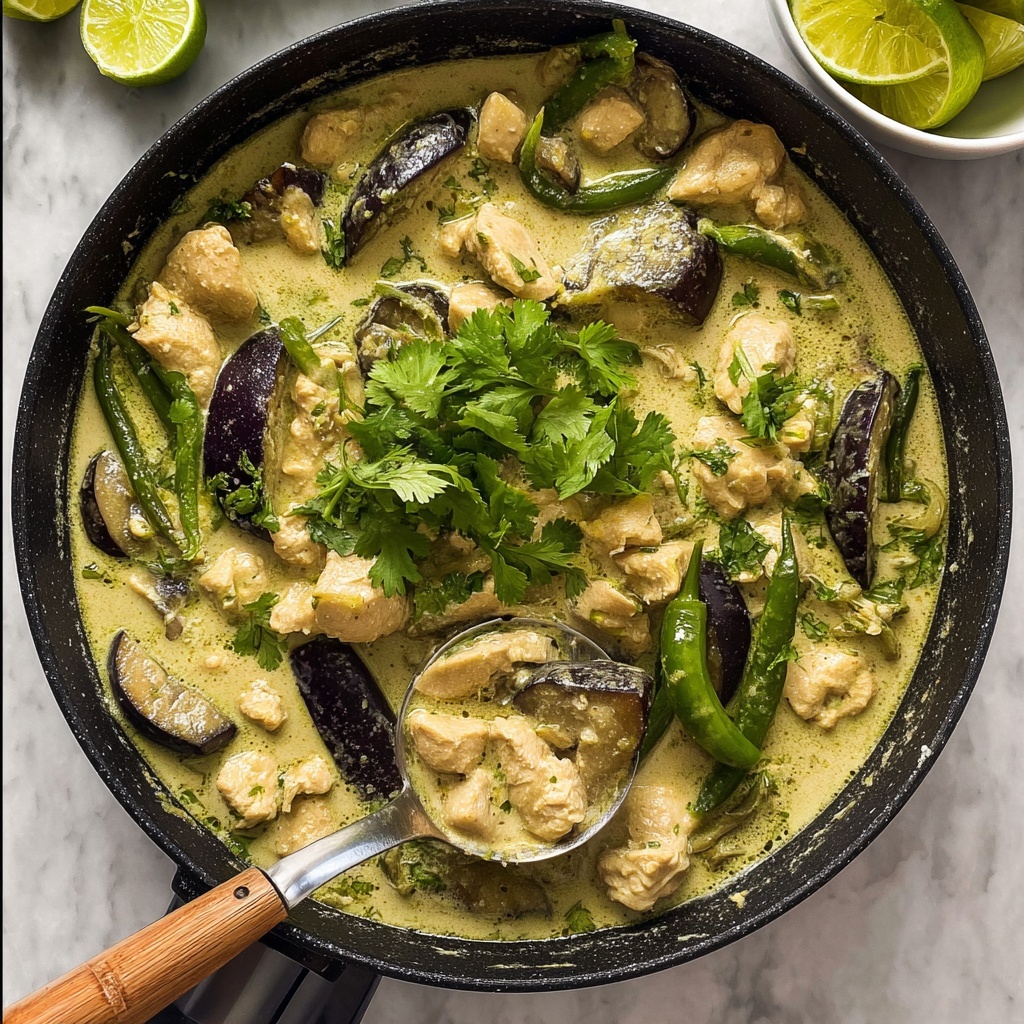
Garnishes
Adding garnishes elevates your curry both visually and flavor-wise. Crispy fried Asian shallots bring delightful crunch and a subtle sweetness that contrasts perfectly with the creamy curry. Fresh Thai basil or coriander adds vibrant herbal notes, while optional chili slices give a pop of color and a kick of heat if you’re feeling adventurous.
Side Dishes
Steamed jasmine rice is by far the best partner for Thai Green Curry Recipe—it soaks up the fragrant sauce wonderfully. For a more substantial meal, consider a light green papaya salad or a simple cucumber relish to add refreshing brightness and crisp texture, creating a balanced dining experience.
Creative Ways to Present
For dinner parties or special occasions, serve your curry in individual rustic bowls with a side of jasmine rice molded into little domes, garnished with extra basil leaves and thin slices of red chili for a stunning presentation. You can also use banana leaves as placemats or trays to give your table a colorful, tropical vibe that matches the curry’s vibrant spirit.
Make Ahead and Storage
Storing Leftovers
This Thai Green Curry Recipe holds up beautifully as leftovers. Store the cooled curry in an airtight container in the refrigerator for up to 3 days. The flavors may even deepen overnight, making for an even tastier meal the next day.
Freezing
Freezing is also an option if you want to keep your curry longer. Place it in a freezer-safe container for up to 2 months. When ready to enjoy, thaw it in the fridge overnight to preserve texture and flavor as much as possible.
Reheating
To reheat, gently warm the curry in a saucepan over low to medium heat while stirring occasionally. Avoid boiling once reheated, as this can cause the coconut milk to separate. Add a splash of water or coconut milk if it thickens too much to restore its silky consistency.
FAQs
Can I make this Thai Green Curry Recipe vegetarian or vegan?
Absolutely! Swap the chicken for tofu, tempeh, or a medley of hearty vegetables like mushrooms and bell peppers. Use vegetable broth and replace fish sauce with soy sauce or a vegan fish sauce alternative to keep the flavors authentic yet plant-based.
What is the best type of curry paste to use?
Store-bought curry pastes like Maesri are incredibly convenient and deliver great flavor. However, making your own green curry paste from fresh herbs and spices offers a more vibrant and personalized taste that can really elevate the dish.
How spicy is this curry?
Traditional Thai Green Curry Recipe has a medium heat level with a fresh, herbal spice from green chilies. You can easily adjust by varying the amount of curry paste or adding extra chili slices to suit your heat preference.
Can I use canned eggplant instead of fresh Japanese eggplants?
Fresh Japanese eggplants are ideal because they absorb the curry sauce beautifully and provide a pleasant texture. Canned eggplants tend to be softer and can become mushy, so fresh is definitely the better choice here.
Why does the curry sauce stay thin and not thick like other curries?
Thai Green Curry Recipe is traditionally a lighter curry with a more broth-like consistency to highlight the fresh herbs and balance the coconut milk’s richness. Over-simmering can cause it to darken and thicken, so it’s best served with a slightly thin, glossy sauce.
Final Thoughts
There’s nothing quite like diving into a bowl of homemade Thai Green Curry Recipe that’s bursting with layers of flavor and fresh ingredients. It’s a wonderful way to brighten your weeknight dinners or impress guests with something truly authentic and heartwarming. So go ahead, give this recipe a whirl—you’ll be amazed how just a handful of key ingredients can transform into a dish that tastes like a culinary adventure in Thailand. Happy cooking and even happier eating!
Print
Thai Green Curry Recipe
- Prep Time: 15 minutes
- Cook Time: 20 minutes
- Total Time: 35 minutes
- Yield: 4 servings
- Category: Main Course
- Method: Stovetop
- Cuisine: Thai
Description
A vibrant and aromatic Thai Green Curry featuring tender chicken thighs simmered in a luscious coconut milk-based sauce infused with authentic green curry paste, fresh herbs, and fragrant kaffir lime leaves. This recipe delivers a perfect balance of spicy, sweet, and savory flavors that bring a taste of Thailand to your dinner table, served best with steamed jasmine rice and garnished with crispy fried shallots and fresh Thai basil.
Ingredients
Green Curry Base
- 4 – 6 tbsp Thai Green Curry Paste (Maesri best) OR 1 quantity homemade green curry paste
- 2 large garlic cloves, minced
- 2 tsp fresh ginger, finely grated
- 1 tbsp lemongrass paste
- 2 tbsp vegetable oil
Liquids
- 1 cup (250ml) chicken or vegetable broth, low sodium
- 400 g/14 oz coconut milk, full fat
Seasonings
- 1 – 3 tsp fish sauce*
- 1 – 3 tsp white sugar*
- 1/8 tsp salt*
Produce
- 6 kaffir lime leaves, torn in half
- 350 g/12 oz chicken thigh, skinless boneless, sliced
- 2 Japanese eggplants, small, sliced 1 cm (2/5″) thick
- 1 1/2 cups snow peas, small, trimmed
- 16 Thai basil leaves
- Juice of 1/2 lime, to taste
- Green or red chilli slices (optional)
Garnishes & Serving
- Crispy fried Asian shallots (highly recommended)
- Thai basil or cilantro/coriander (recommended)
- Steamed jasmine rice
Instructions
- Heat Oil: Warm 2 tablespoons of vegetable oil in a heavy-based skillet or pot over medium-high heat to prepare for frying the curry paste.
- Cook Curry Paste and Aromatics: Add 4-6 tablespoons of Thai green curry paste, along with minced garlic, grated ginger, and lemongrass paste if using. Cook for 2 to 3 minutes until the paste mostly dries out, releasing its fragrant aroma. Avoid inhaling the fumes directly as they can be strong.
- Add Broth and Coconut Milk: Pour in 1 cup of low sodium chicken or vegetable broth and 400g of full-fat coconut milk. Stir well to dissolve the curry paste into the liquids, creating a smooth sauce.
- Season the Curry: If using curry paste from a jar, add 1 teaspoon fish sauce, 1 teaspoon sugar, and no salt. For homemade green curry paste, add 3 teaspoons fish sauce, 3 teaspoons sugar, and 1/8 teaspoon salt to season evenly.
- Add Kaffir Lime Leaves and Simmer: Stir in 6 torn kaffir lime leaves, mix, and bring the sauce to a gentle simmer.
- Add Chicken: Incorporate the sliced 350g chicken thighs, stir to coat, then reduce heat to medium, allowing it to bubble gently. Cook for 7 minutes to ensure the chicken is cooked through.
- Add Eggplants: Add the sliced Japanese eggplants and cook for 5 minutes until they have softened and absorbed some curry flavors.
- Taste and Adjust Seasonings: Sample the sauce and adjust saltiness by adding more fish sauce or salt if needed, and sweetness by adding more sugar if desired.
- Add Snow Peas and Finish: Stir in 1 1/2 cups snow peas and cook for 2 minutes until slightly softened. Then stir through 16 Thai basil leaves and juice of half a lime. The sauce should be reduced but remain thin and saucy—do not simmer further to avoid darkening.
- Serve: Serve the green curry hot over steamed jasmine rice, garnished with crispy fried Asian shallots, additional Thai basil or cilantro, and optional green or red chilli slices for heat.
Notes
- *Fish sauce and sugar quantities vary depending on whether store-bought or homemade curry paste is used.
- Using fresh kaffir lime leaves enhances the authentic citrus aroma but can be substituted with a small amount of lime zest if unavailable.
- Curry paste from Maesri brand is preferred for authentic flavor.
- Full-fat coconut milk is essential to achieve the rich, creamy texture of the curry.
- Serve immediately with jasmine rice to enjoy the best texture.
- Adjust chili slices to taste for desired spiciness level.
- Crispy fried Asian shallots add an excellent crunchy contrast, highly recommended as garnish.