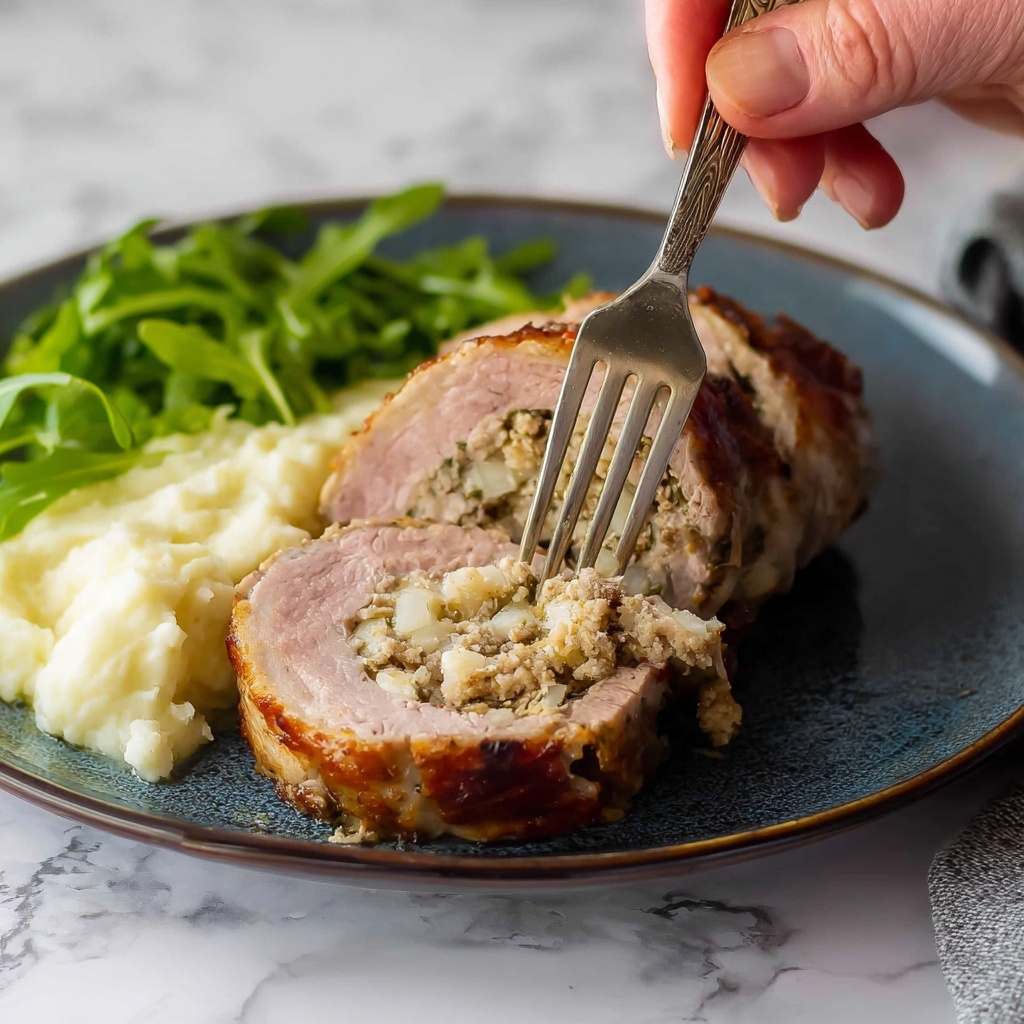
If you are looking to impress family or friends with a dish that bursts with flavor while still being delightfully simple to prepare, this Stuffed Pork Tenderloin with Garlic, Rosemary, and Breadcrumbs Recipe is exactly what you need. Tender pork tenderloins nestle a savory filling of aromatic garlic, fresh rosemary, and crunchy breadcrumbs, creating a perfect balance of juicy meat and herby, buttery goodness in every bite. Whether it’s a special occasion or a cozy weekend dinner, this recipe delivers elegance and comfort all on one plate.
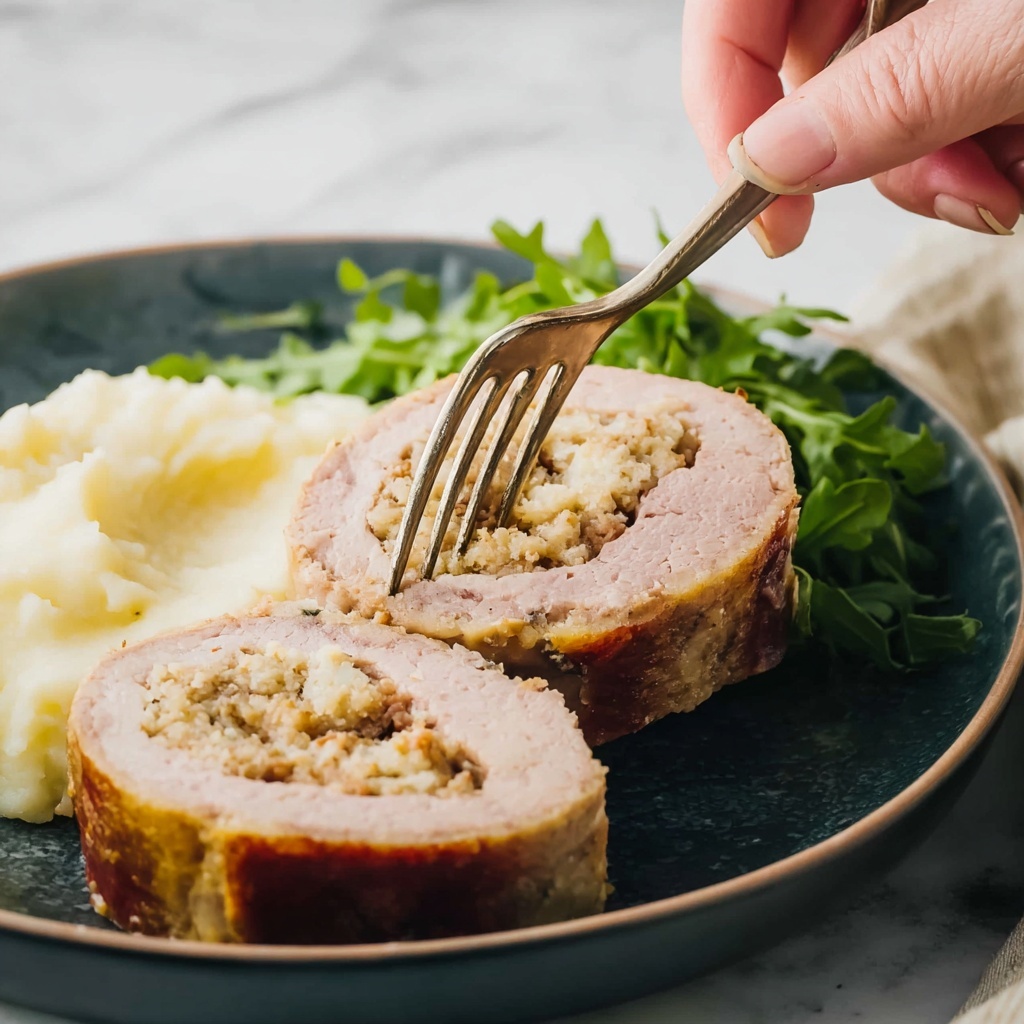
Ingredients You’ll Need
Everything you need for this recipe is straightforward yet essential, combining fresh herbs, aromatic garlic, and a crisp breadcrumb filling that complements the tender pork beautifully. Each ingredient plays a key role in building the layers of flavor and texture that make this dish stand out.
- 2 whole pork tenderloins (unseasoned): The star of the dish, offering tender and lean meat perfect for stuffing.
- 2 tablespoons olive oil (divided): Helps to sauté the filling ingredients and sear the pork for a golden crust.
- ¼ cup finely chopped shallot: Adds a subtle sweetness and depth to the stuffing mix.
- 2 cloves garlic (minced): Infuses the filling with its signature savory punch.
- 1 teaspoon fresh rosemary (minced): Provides an earthy, pine-like aroma essential for the dish’s herbaceous character.
- ½ cup Panko breadcrumbs: Creates a light, crunchy texture inside the tenderloin without weighing it down.
- 2 tablespoons unsalted butter: Adds richness to the stuffing and helps meld the flavors together.
- 2 sprigs fresh rosemary: Used during roasting to infuse the pork with a lovely herbal fragrance.
- 2 cloves garlic (smashed and peeled): Roast alongside the pork to mellow and sweeten the garlic flavor throughout the meat.
- Salt and pepper: Essential for seasoning both inside and out, enhancing all the natural flavors.
How to Make Stuffed Pork Tenderloin with Garlic, Rosemary, and Breadcrumbs Recipe
Step 1: Prepare the Pork Tenderloin
First, preheat your oven to 375°F. Butterfly the pork tenderloins by slicing them horizontally almost all the way through, then open them like a book. Use a meat mallet or rolling pin to pound the pork into an even ½-inch thick rectangle. This ensures even cooking and makes it easier to roll around the filling later.
Step 2: Season the Meat
Pat the tenderloins dry with a paper towel to remove excess moisture—this helps the seasoning stick and promotes a nice sear. Lightly season both sides with salt and pepper, setting the foundation of flavor for your dish.
Step 3: Make the Breadcrumb Filling
In an oven-safe skillet, warm 1 tablespoon of olive oil over medium heat. Add the finely chopped shallot and cook for about 2-3 minutes until tender and fragrant but not browned. This softens the shallot and releases its sweetness into the filling.
Step 4: Add Garlic, Rosemary, and Breadcrumbs
To the skillet, stir in the minced garlic and minced rosemary. Let the garlic cook just until fragrant to avoid any bitterness. Then, add the Panko breadcrumbs and unsalted butter, stirring everything to combine. The butter coats the breadcrumbs, helping create a moist, flavorful stuffing that won’t be dry inside the pork.
Step 5: Assemble and Roll the Tenderloins
Spread the breadcrumb mixture evenly across the butterflied pork tenderloin. Starting from one edge, roll each tenderloin into a tight log to encase the filling perfectly. Use kitchen twine to tie the rolls securely, making sure they hold their shape during cooking. Lightly season the outside of the rolls with salt and pepper for that final touch before searing.
Step 6: Sear the Pork
Wipe your skillet clean but keep it oven-safe. Heat the remaining tablespoon of olive oil until shimmering. Place the rolled tenderloins in the pan and sear for 2 minutes on each side, developing a golden brown crust. Add the butter, fresh rosemary sprigs, and smashed garlic cloves to the pan to start infusing aroma into the pork as it roasts.
Step 7: Roast to Perfection
Transfer the skillet to the preheated oven. Roast for 15-20 minutes or until the internal temperature reaches 140°F. This timing keeps the pork juicy and tender while ensuring it’s cooked through but not dry.
Step 8: Rest and Slice
Remove the skillet from the oven and baste the tenderloins with the pan juices to lock in moisture. Cover the meat loosely with foil and let it rest for 5 minutes, allowing the temperature to rise to the safe serving point of 145°F. This resting step guarantees your pork will be juicy and flavorful when sliced.
How to Serve Stuffed Pork Tenderloin with Garlic, Rosemary, and Breadcrumbs Recipe
Garnishes
Fresh herb sprigs, such as rosemary or thyme, make for beautiful garnish, adding visual appeal and hinting at the flavors inside. A drizzle of the pan juices over each slice will keep the dish moist and flavorful on the plate.
Side Dishes
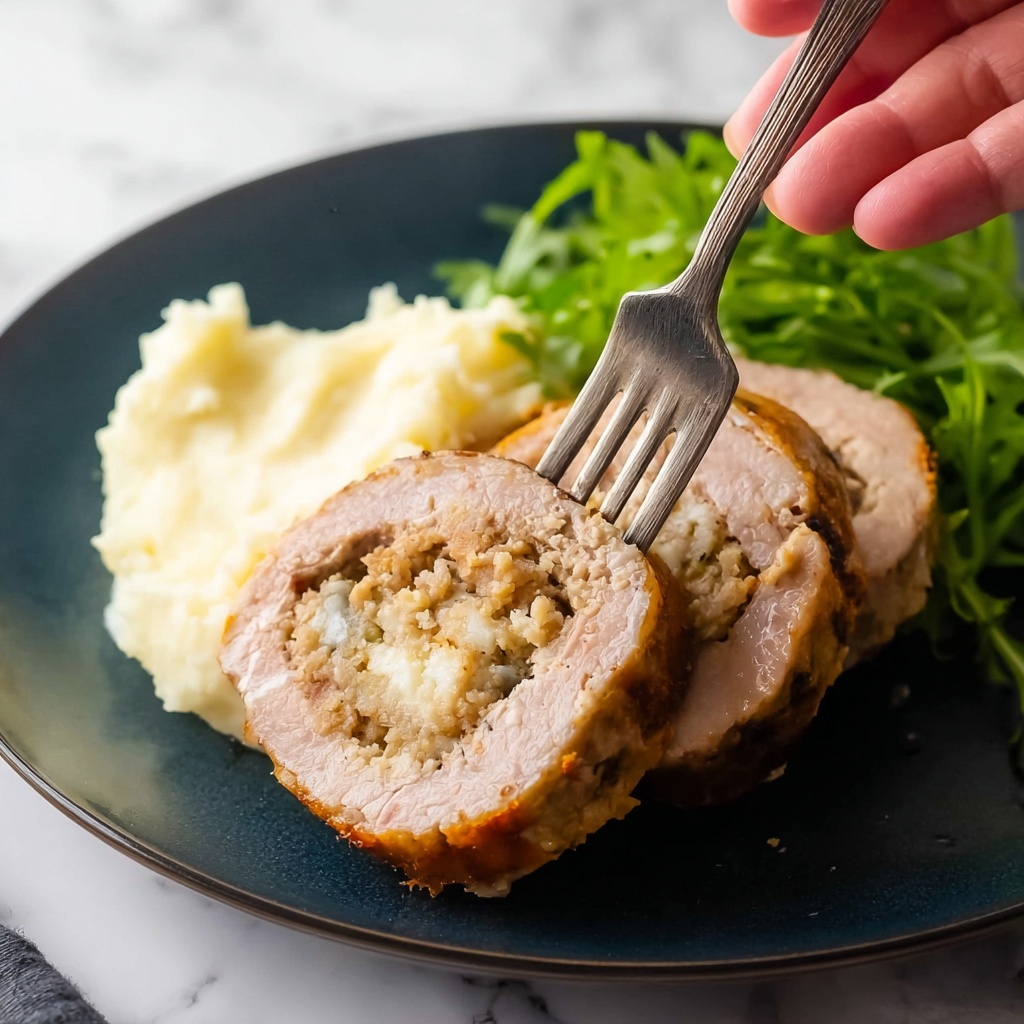
For a well-rounded meal, pairing this stuffed tenderloin with roasted seasonal vegetables or a creamy mashed potato will complement the savory, herby flavors perfectly. A simple green salad with a light vinaigrette can provide a fresh and crisp contrast to the richness of the pork.
Creative Ways to Present
Slice the rolled tenderloin into medallions to showcase the beautiful spiral of breadcrumbs and herbs inside, arranging each piece slightly overlapping on a platter. For an elegant touch, serve atop a bed of sautéed greens or creamy polenta, garnished with a squeeze of lemon to brighten the plate.
Make Ahead and Storage
Storing Leftovers
Wrap any leftover stuffed pork tightly in foil or an airtight container and refrigerate. It will keep well for up to 3 days, making it a convenient option for quick lunches or dinner the following days.
Freezing
If you want to prepare this stuffed pork tenderloin ahead of time, you can freeze it after rolling and tying but before cooking. Wrap tightly in plastic wrap and then foil, and freeze for up to 3 months. When ready to cook, thaw overnight in the refrigerator before proceeding with searing and roasting.
Reheating
To reheat, warm slices gently in a skillet over low heat or in a 300°F oven, covered, until heated through. Avoid microwaving if possible to keep the meat from drying out, preserving the dish’s tender texture and rich flavors.
FAQs
Can I use other herbs instead of rosemary?
Absolutely! While rosemary is classic for this recipe, thyme or sage can provide a lovely alternative herbal note without overpowering the pork.
Is it necessary to butterfly the tenderloin?
Butterflying the tenderloin is key for even stuffing and cooking. It also helps the pork cook faster and keeps the texture tender.
What if I don’t have Panko breadcrumbs?
You can substitute with regular breadcrumbs, though Panko gives extra crunchiness and a lighter filling texture.
How do I know when the stuffed pork tenderloin is done?
The best way is to use a meat thermometer. The internal temperature should reach 140°F before resting, and then 145°F after resting for safe, juicy results.
Can I prepare this recipe without a skillet that goes in the oven?
If your skillet is not oven-safe, sear the tenderloins in a regular pan and transfer them to a baking dish before roasting to ensure proper cooking.
Final Thoughts
This Stuffed Pork Tenderloin with Garlic, Rosemary, and Breadcrumbs Recipe is one of those dishes that makes you feel proud whenever you present it at the table. It strikes the perfect balance between rustic comfort and refined flavor, satisfying anyone who tries it. I encourage you to try this recipe soon and watch how it becomes a new favorite for sharing memorable meals with those you love.
Print
Stuffed Pork Tenderloin with Garlic, Rosemary, and Breadcrumbs Recipe
- Prep Time: 15 minutes
- Cook Time: 30 minutes
- Total Time: 45 minutes
- Yield: 6 servings
- Category: Main Course
- Method: Roasting
- Cuisine: American
Description
This stuffed pork tenderloin recipe features tender pork rolled with a flavorful breadcrumb and herb filling, seared to perfection, and then oven-roasted for a juicy, aromatic main dish. Perfect for an elegant dinner, the combination of rosemary, garlic, and shallots complements the mild pork beautifully.
Ingredients
Pork and Seasoning
- 2 whole pork tenderloins (unseasoned)
- Salt and pepper, to taste
- 2 sprigs fresh rosemary
- 2 cloves garlic (smashed and peeled)
- Kitchen twine, for securing tenderloins
Stuffing
- 2 tablespoons olive oil (divided)
- ¼ cup finely chopped shallot
- 2 cloves garlic (minced)
- 1 teaspoon fresh rosemary (minced)
- ½ cup Panko breadcrumbs
- 2 tablespoons unsalted butter
Instructions
- Preheat and butterfly: Preheat your oven to 375°F. Butterfly the pork tenderloins by slicing them horizontally and then pounding them to an even ½-inch thickness to create a flat rectangle shape.
- Season the pork: Pat the butterflied pork dry with paper towels and lightly season both sides with salt and pepper for enhanced flavor.
- Sauté shallots: Heat 1 tablespoon of olive oil in an oven-safe skillet over medium heat. Add the finely chopped shallots and cook for 2-3 minutes until softened and translucent.
- Prepare breadcrumb mixture: Stir in the minced garlic, minced rosemary, and Panko breadcrumbs into the skillet with the shallots. Mix well so the breadcrumbs absorb the flavors.
- Spread stuffing: Evenly spread the breadcrumb mixture over the surface of the butterflied pork tenderloins to prepare for rolling.
- Roll and secure: Carefully roll each tenderloin tightly into a log shape, then secure it with kitchen twine. Season the outside with salt and pepper to taste.
- Prepare to sear: Wipe the skillet clean without washing, then add the remaining tablespoon of olive oil. Heat the skillet until the oil is shimmering and hot.
- Sear the tenderloins: Place the pork logs in the skillet and sear for 2 minutes on each side until a golden crust forms. Add the butter, rosemary sprigs, and whole garlic cloves to the skillet to infuse the pork with aroma.
- Roast in oven: Transfer the skillet to the preheated oven and roast the pork tenderloins for 15-20 minutes. Use a meat thermometer to ensure the internal temperature reaches 140°F.
- Baste the pork: Remove the skillet from the oven. Spoon the pan juices over the tenderloins to keep them moist and flavorful.
- Rest the meat: Cover the tenderloins loosely with foil and let rest for 5 minutes. The internal temperature will rise to the safe minimum of 145°F during this time.
- Slice and serve: Remove the kitchen twine, slice the stuffed pork tenderloins into medallions, and serve warm for a delicious main course.
Notes
- Using an oven-safe skillet allows for seamless transition from stovetop to oven, preserving flavor and texture.
- Resting the pork after cooking is essential to keep it juicy and ensure optimal tenderness.
- Feel free to customize the stuffing by adding your favorite herbs or nuts for extra texture and flavor.
- Monitor internal temperature closely to avoid overcooking and drying out the tenderloin.
- If kitchen twine is unavailable, use toothpicks carefully to secure the rolled tenderloin.