“`html
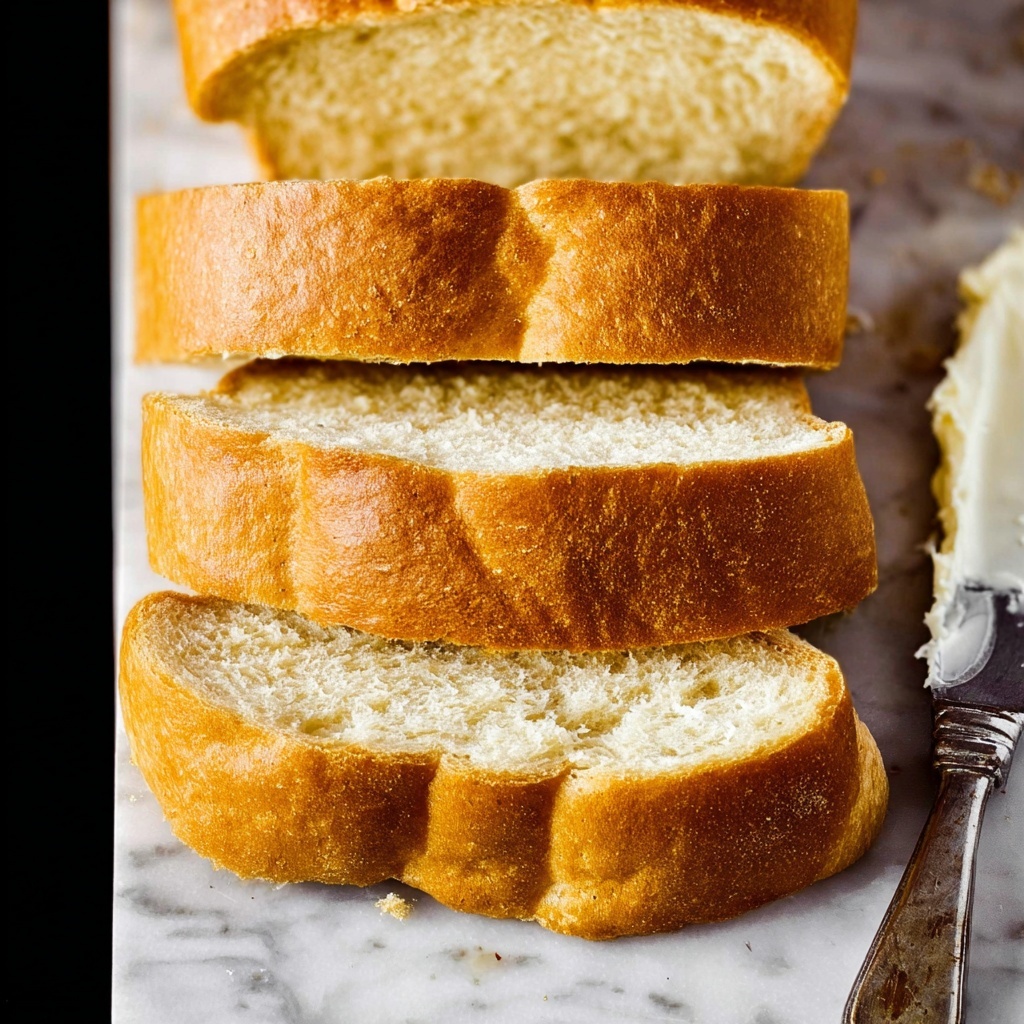
If you’ve ever dreamed about having fresh, warm bread ready in less time than it takes for your favorite show to air, then this One Hour French Bread Recipe is about to become your new best friend. This recipe combines simplicity with incredible flavor and texture, bringing you a crusty, golden loaf with a soft, airy interior—all in just about an hour. Whether you’re a novice baker or a seasoned pro craving a speedy fix, this recipe is your ticket to a fresh bakery-worthy bread without the wait.
Ingredients You’ll Need
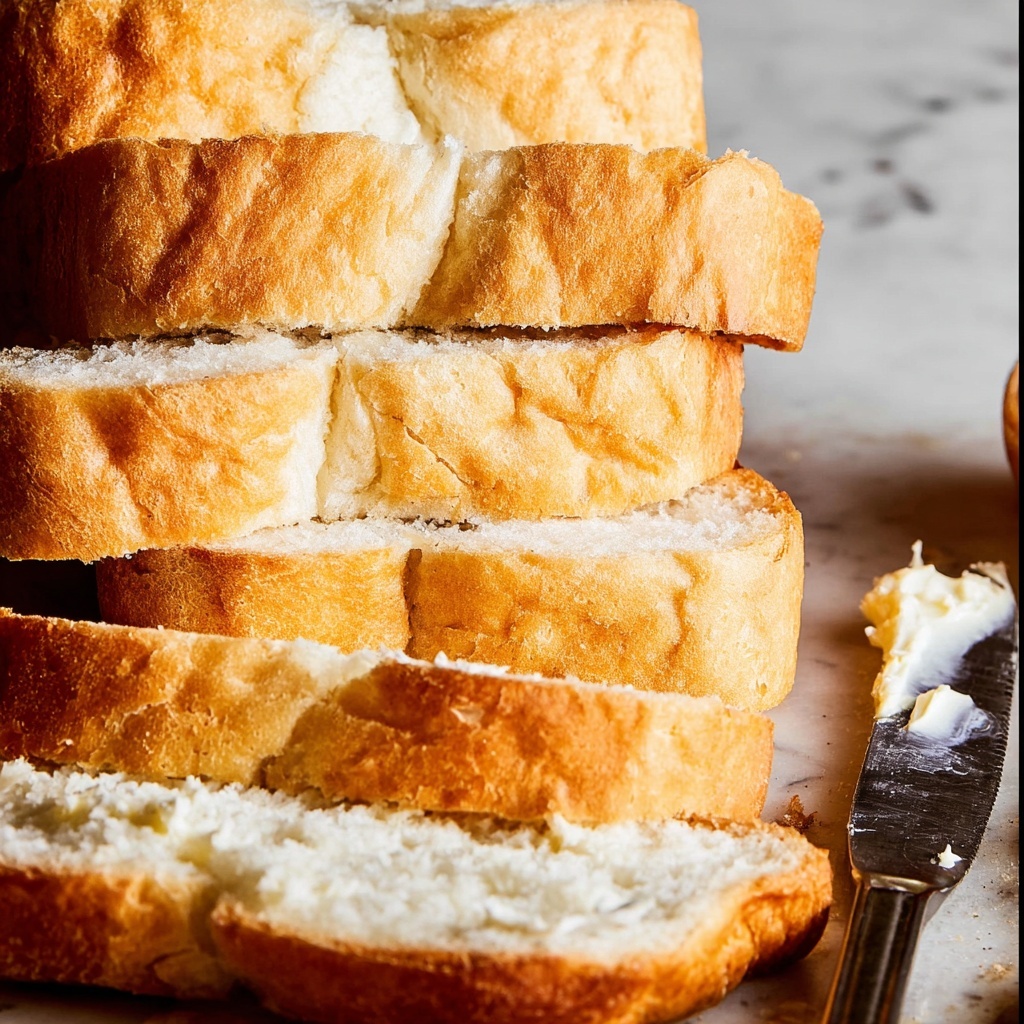
These straightforward ingredients transform into something magical when combined. Each element plays a crucial role, whether it’s the yeast waking up the dough, the softened butter enriching the flavor, or the salt balancing it all out.
- Warm water: Essential for activating the yeast; make sure it’s comfortably warm to encourage a lively rise.
- White sugar: Feeds the yeast and adds just a hint of sweetness to balance the flavors.
- Dry yeast: The magic behind the rise, creating that airy texture we all love.
- Salt: Brings out the bread’s flavor and controls the yeast activity for a perfect crumb.
- Softened butter: Adds a rich softness and helps the crust brown beautifully.
- All purpose flour: The backbone of the bread’s structure – spooned and leveled ensures accurate measuring.
- Egg white (optional): A quick brush for a shiny, attractive crust that’s as stunning as it is tasty.
How to Make One Hour French Bread Recipe
Step 1: Preheat Your Oven
Start by heating your oven to 450 degrees. A hot oven gives you that beautiful crust quickly, which is key to capturing fresh-baked bread’s perfect chew and crunch right on the dot.
Step 2: Activate the Yeast
Mix warm water, sugar, yeast, and salt in a bowl. The water temperature is crucial here—think cozy bath temperature felt on your wrist. Place the bowl near the warm oven to encourage the yeast to bubble and foam, proofing it’s alive and ready to work its magic.
Step 3: Mix in Butter and Flour
Once the bubbly yeast proves active, add the softened butter and one cup of flour, stirring until combined. This step starts to build the dough’s structure and flavor foundation.
Step 4: Add Remaining Flour and Knead
Gradually incorporate the remaining flour. Use a dough hook or wooden spoon to mix until the dough starts pulling away from the bowl’s sides but stays slightly sticky. Then knead for 6-7 minutes until smooth and elastic, forming that perfect bread texture you’re aiming for.
Step 5: Shape and Prepare to Rise
Spray your baking sheet or baguette pan with nonstick spray. Shape the dough into one large loaf or two smaller ones to fit your pan. Use a serrated knife to make decorative slits on top, allowing the bread to expand beautifully as it bakes.
Step 6: Let the Dough Rise
Cover the dough with a tea towel and let it rest for 20 minutes until it roughly doubles in size. This short rise boosts the bread’s softness inside while setting you up for a fantastic crust later.
Step 7: Egg Wash and Bake
Whisk the egg white until frothy and brush it generously over your loaf for that shiny golden finish. Bake for about 20 minutes, until the crust is deep golden and crisp, and the bottom is nicely browned, signaling it’s perfectly baked.
Step 8: Cool and Enjoy
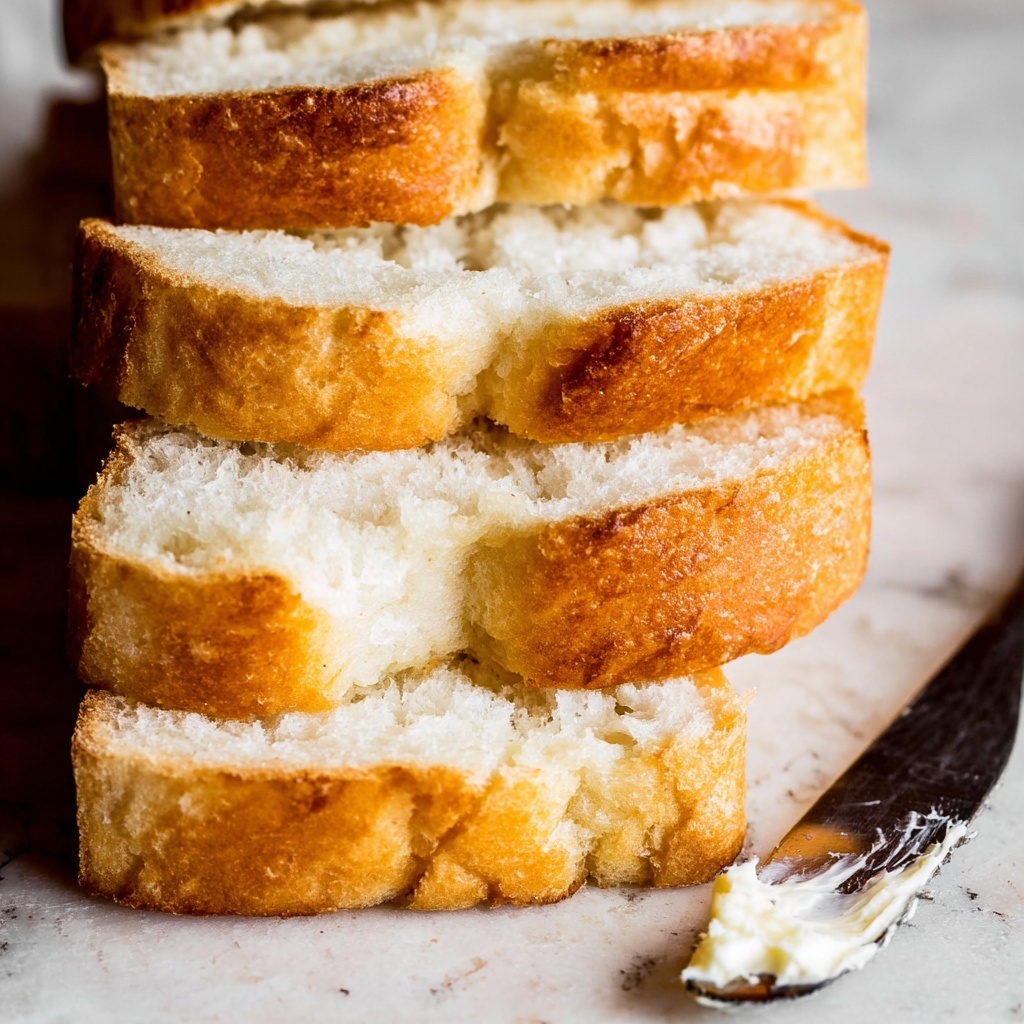
Let the bread cool just enough to not burn your hands, then slice and serve warm with butter. You’ve got yourself fresh, homemade French bread in under an hour!
How to Serve One Hour French Bread Recipe
Garnishes
Simple garnishes like a sprinkle of coarse sea salt or a scattering of freshly chopped herbs such as rosemary or thyme can elevate your bread’s aroma and flavor. For a touch of indulgence, spread warm butter infused with garlic or herbs to enhance every bite.
Side Dishes
This one hour French bread shines alongside hearty soups, creamy cheeses, or as the base for bruschetta with ripe tomatoes and basil. It’s the perfect companion for a charcuterie board or a cozy pasta night, soaking up sauces and complementing flavors beautifully.
Creative Ways to Present
Turn this bread into a crowd-pleaser by slicing it into thick slabs and layering with melted cheese and roast veggies for open-faced sandwiches. Or, slice it thin, toast, and serve as homemade crostini topped with various spreads—think olive tapenade or whipped feta. Your guests will think you spent hours in the kitchen!
Make Ahead and Storage
Storing Leftovers
Keep leftover bread in a paper bag or wrapped loosely in a kitchen towel to maintain its crust. Store at room temperature for up to two days; this short storage method helps prevent the crumb from becoming too dense or the crust soggy.
Freezing
If you want to keep your loaf longer, wrap it tightly in plastic wrap and then aluminum foil before freezing. This will preserve freshness for up to three months. When ready to enjoy, thaw at room temperature to keep that fresh-baked texture.
Reheating
Refresh your bread by warming it in a preheated 350-degree oven for 5-10 minutes, which helps restore its crisp crust while keeping the inside soft and fluffy. Avoid the microwave, which makes the crust rubbery and tough.
FAQs
Why is this called the One Hour French Bread Recipe?
It’s named for its speedy preparation and bake time, delivering you a fresh loaf in about an hour from start to finish—so you can enjoy homemade French bread without the usual long wait.
Can I use whole wheat flour instead of all purpose?
You can substitute part of the all purpose flour with whole wheat, but keep in mind this may affect the rise and texture. Try using half all purpose and half whole wheat for a nuttier flavor with a lighter crumb.
What’s the secret to getting a crusty exterior?
Baking in a very hot oven and brushing the loaf with egg white before baking helps create that signature shiny, crisp crust. Also, letting the loaf cool on a wire rack prevents moisture from softening the bottom crust.
Can I prepare the dough in advance?
This recipe is designed to be quick, but you could prepare the dough and refrigerate it briefly before shaping and baking. Keep it tightly covered to prevent drying out, then let it come to room temperature before the quick rise and bake.
Is the egg white necessary?
The egg white is optional and mainly for enhancing the bread’s shine and color. If you prefer, you can skip it, and your bread will still bake up delicious and crusty.
Final Thoughts
There’s something truly heartwarming about baking your own bread, especially when it’s this quick and satisfying. This One Hour French Bread Recipe proves that you don’t need hours or complex ingredients to enjoy a delicious loaf that’s crusty on the outside and soft on the inside. Give it a try—you’ll wonder why you ever bought store-bought again!
“`
Print
One Hour French Bread Recipe
- Prep Time: 15 minutes
- Cook Time: 20 minutes
- Total Time: 35 minutes
- Yield: 8 servings
- Category: Bread
- Method: Baking
- Cuisine: French
Description
This One Hour French Bread Recipe delivers a quick and easy way to make delicious, golden, and crusty French bread at home. Using simple pantry ingredients and minimal waiting time, this bread is perfect for sandwiches, dipping, or enjoying with butter fresh out of the oven.
Ingredients
Wet Ingredients
- 1 & 1/2 cups warm water
- 1 & 1/2 tablespoons butter (softened)
- 1 egg white (optional for brushing)
Dry Ingredients
- 1 tablespoon white sugar
- 1 & 1/2 tablespoons dry yeast
- 1 & 1/2 teaspoons salt
- 3–4 cups all purpose flour (spooned and leveled)
Instructions
- Preheat Oven: Preheat your oven to 450 degrees Fahrenheit to ensure it is hot and ready when your bread goes in.
- Combine Yeast Mixture: In a large bowl or stand mixer, mix warm water, sugar, yeast, and salt. The water should be warm like bath water to activate the yeast.
- Check Yeast Activation: Place the bowl near the warm oven and wait a couple of minutes to see bubbles forming, indicating yeast is active. If no bubbles appear, start over with fresh yeast.
- Add Butter and Flour: Add the softened butter and 1 cup of flour to the yeast mixture. Stir well with a wooden spoon until combined.
- Incorporate Remaining Flour: Gradually stir in the remaining flour starting with 3 cups total (including the initial cup). Add the last 1 cup in 1/4 cup increments until the dough pulls away from bowl sides but remains sticky.
- Knead Dough: Knead the dough for 6-7 minutes until it becomes smooth and elastic, ideal for good gluten development.
- Prepare Pan: Spray a baking sheet or baguette pan with nonstick spray to prevent sticking.
- Shape Loaves: Shape the dough into one large loaf about 12-14 inches or two smaller loaves to fit your pan.
- Score Loaves: Use a sharp serrated knife to make 3-4 half-inch slits across the tops of the loaves for expansion during baking.
- Let Dough Rise: Cover the dough with a tea towel and allow it to rise for 20 minutes until roughly doubled in size.
- Brush with Egg White: Whisk the egg white until frothy and use a pastry brush to coat the tops and sides of the dough for a shiny, golden crust.
- Bake Bread: Transfer the bread to the preheated oven and bake for about 20 minutes until the crust is golden brown and shiny, and the bottom is browned.
- Cool and Serve: Let the bread cool for a short while before slicing and serving. Enjoy warm with butter for best taste.
Notes
- If the yeast does not bubble after activation, it is likely dead and the batch should be restarted.
- You can adjust the amount of flour slightly depending on humidity and flour brand; dough should be sticky but manageable.
- Brushing with egg white is optional but recommended to achieve a beautiful shiny crust.
- To get a crispier crust, leave the bread in the oven a little longer while watching carefully to avoid burning.
- This recipe can be made with one large loaf or two smaller loaves depending on your baking pan size.